Dell Design System

Joining Dell on June 6th, 2022, shortly after Transainc closed its doors, marked a pivotal turning point in my professional career.
Transainc was the foundation where a significant portion of my earlier portfolio was built, but transitioning to Dell opened an exciting chapter centered on building and scaling the enterprise-wide Dell Design System.
Standing as a proud journey that continues to evolve every day, this path began when I joined as a senior engineer focused on pure Vanilla JavaScript and modern CSS.
I owe immense gratitude to my early mentor, Cristiano Becker, who imparted foundational principles that permanently shaped my approach to writing clean, maintainable code.
Moving away from framework dependencies like Vue to embrace pure vanilla architecture felt deeply refreshing, sharpening my technical precision inside a design-centric team surrounded by brilliant software engineers.



From my very first weeks on the team, I focused on establishing consistency and driving rapid alignment across our engineering and design properties.
In June 2022, I earned recognition from Jenn White for iterating quickly on usage and implementation guidance across Storybook, Figma UI kits, and our documentation platform.
By partnering closely with cross-functional team members, we audited component documentation pages, updated layout structures, and eliminated unnecessary rework for downstream product teams.
Shortly thereafter in September 2022, I collaborated with our engineering squads during the organization-wide migration from Pivotal Tracker to Jira, aligning our daily processes with new agile workflows.


When I joined the team, the Dell Design System was sitting at version 2.12.0, with a v2 component library that was in its early expansion stage.
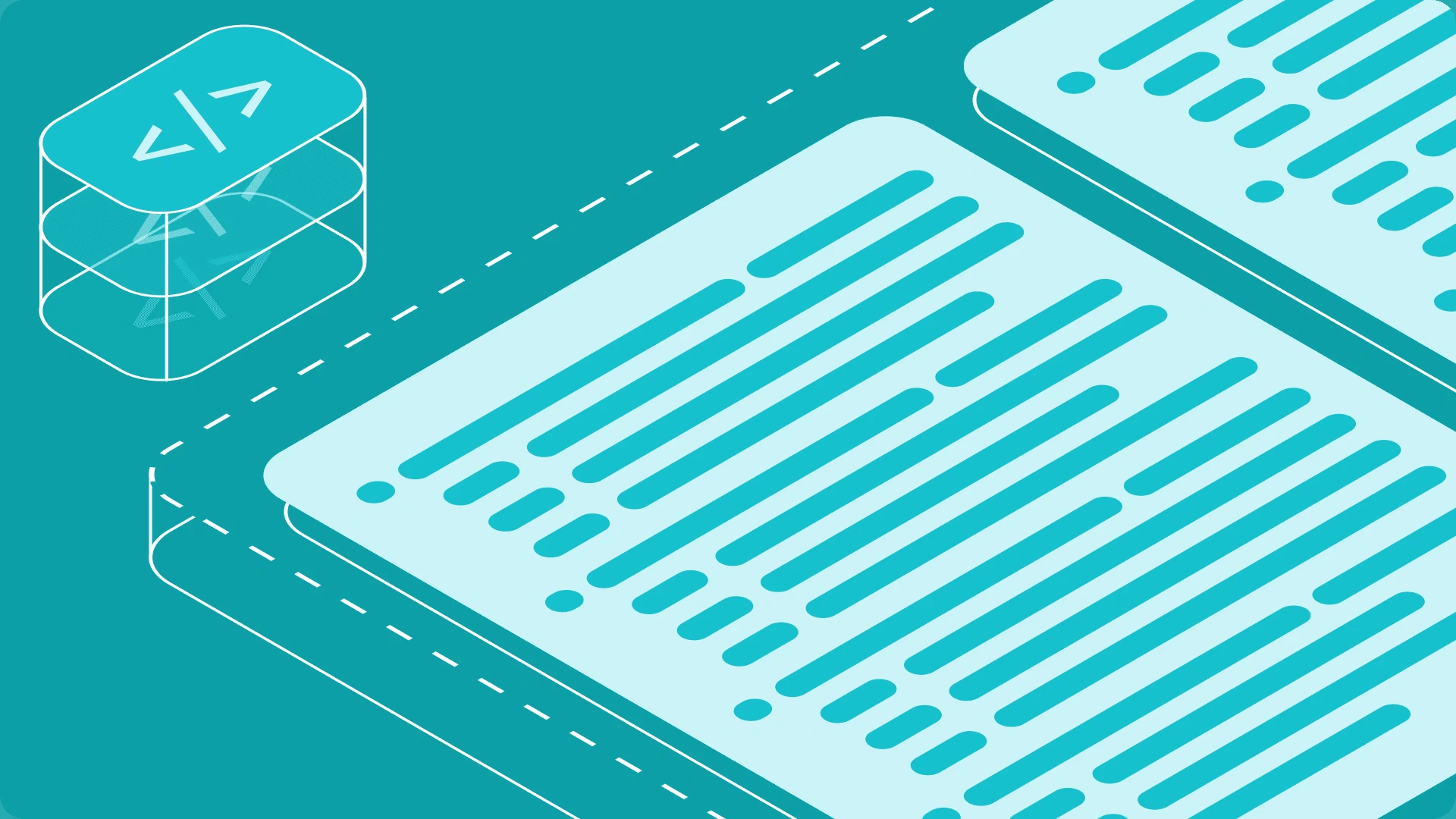
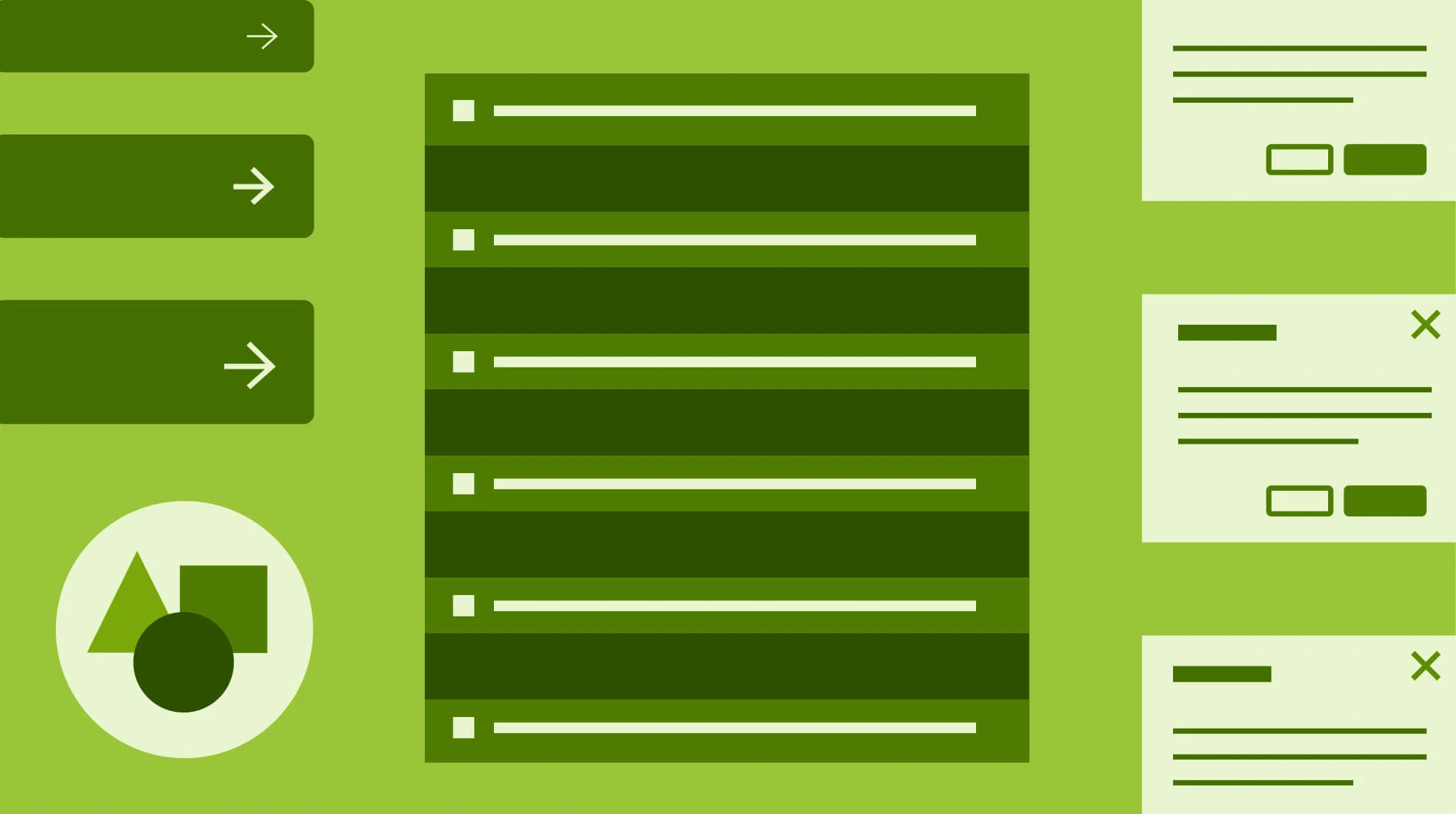
The system required deep architectural tune-ups, documentation refinements, and the creation of brand-new UI building blocks to support digital properties across Dell.
I spent my initial month immersing myself in the codebase by triaging support issues and fixing bugs, which provided a comprehensive understanding of our underlying architecture.
Once grounded, I transitioned directly into feature engineering and began shipping critical core components.


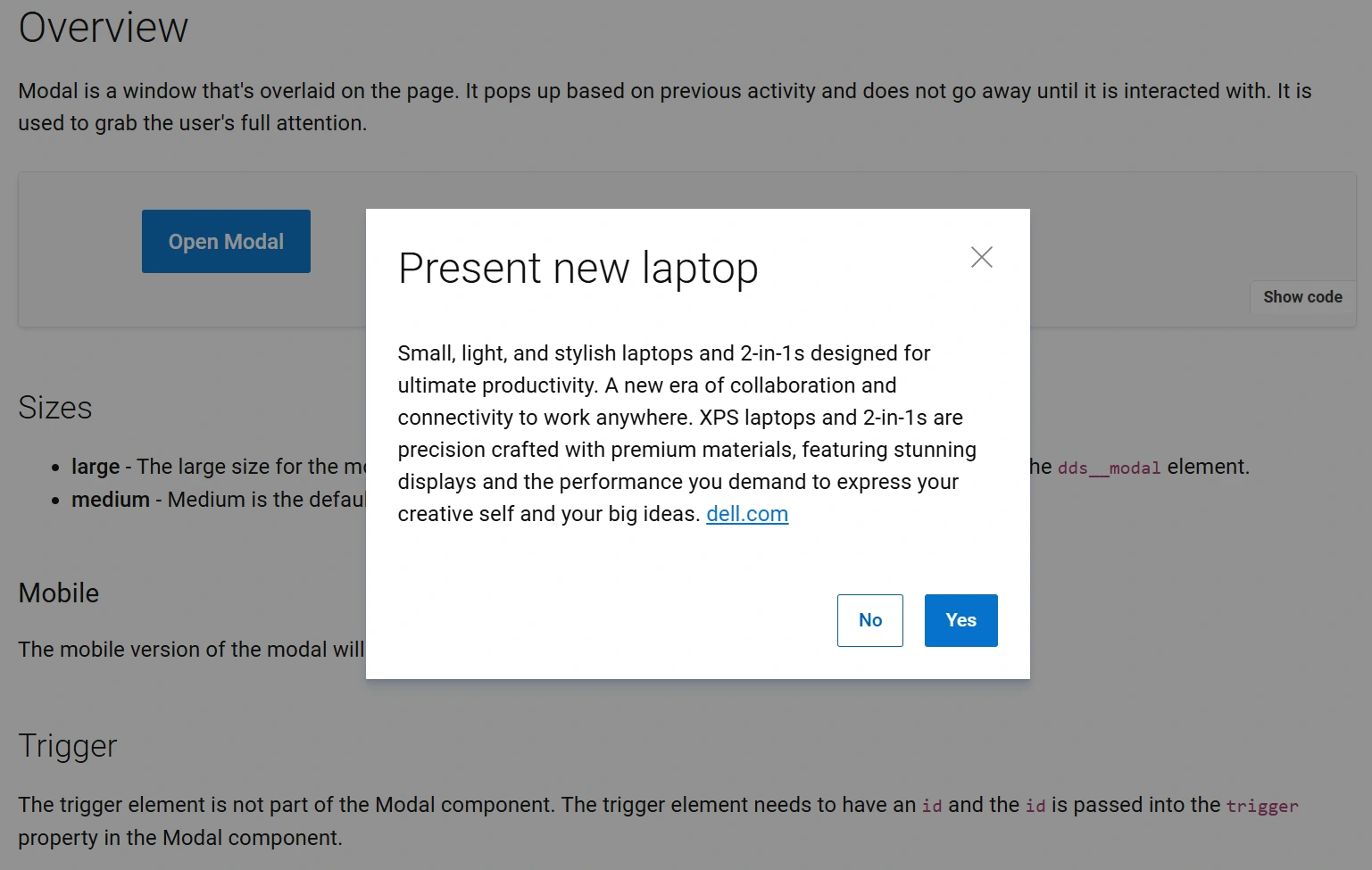
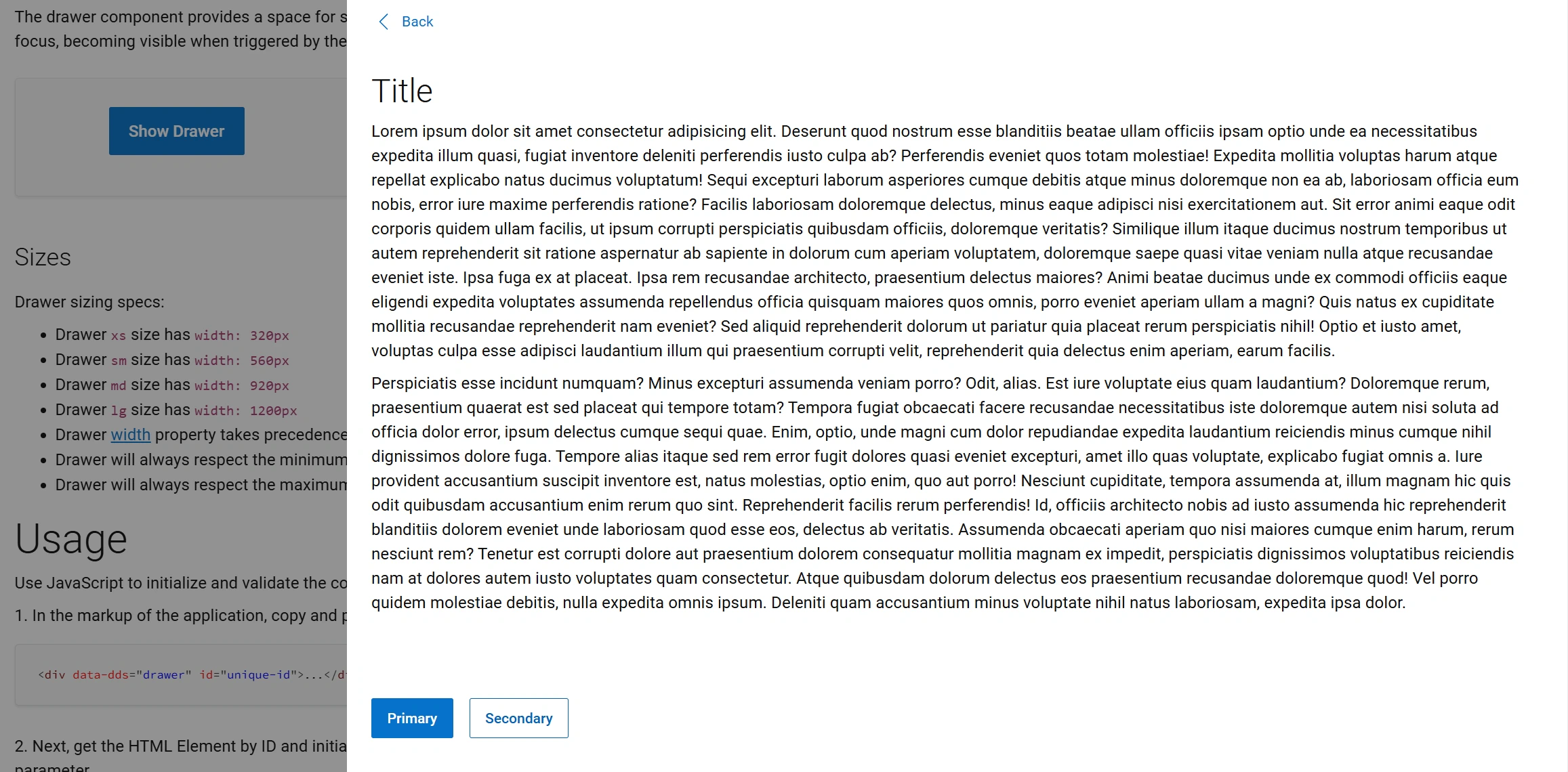
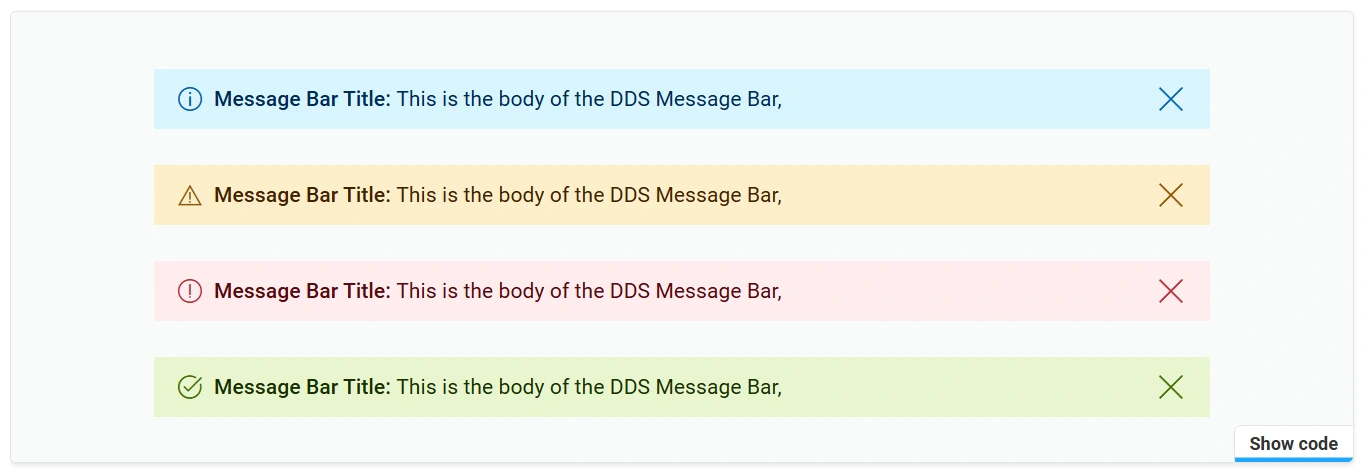
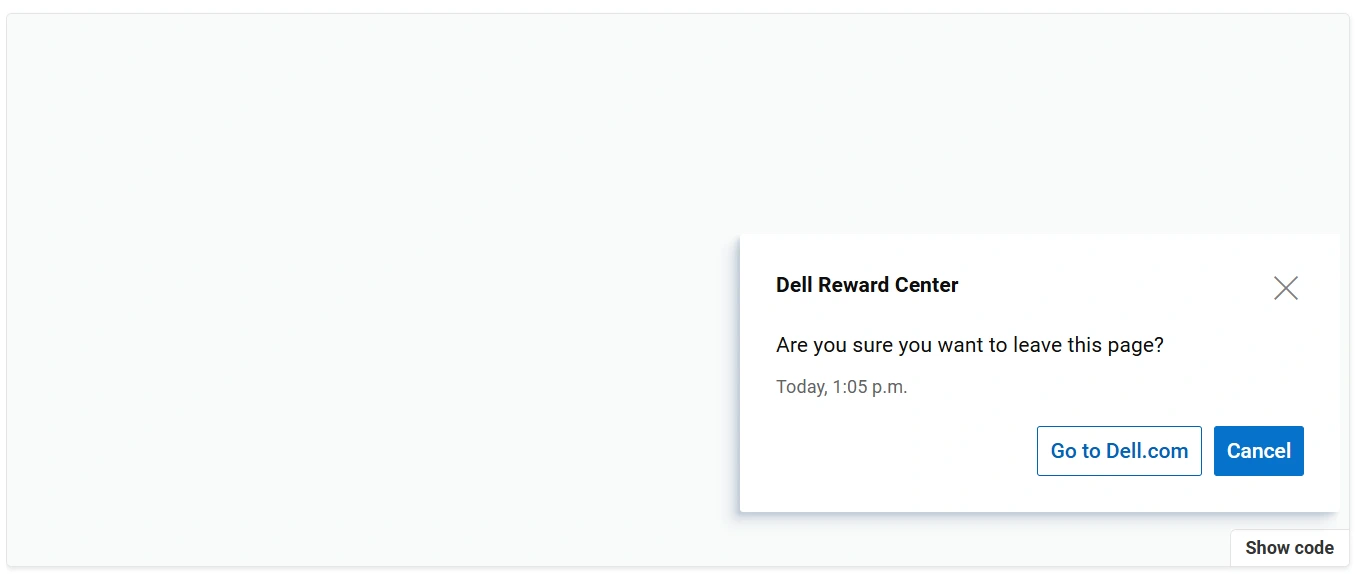
My first major builds focused on essential UI components designed to deliver responsive and accessible user experiences.
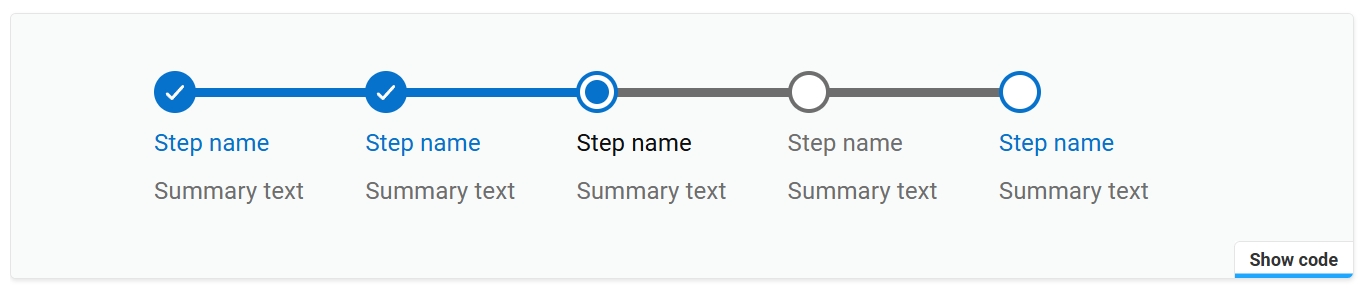
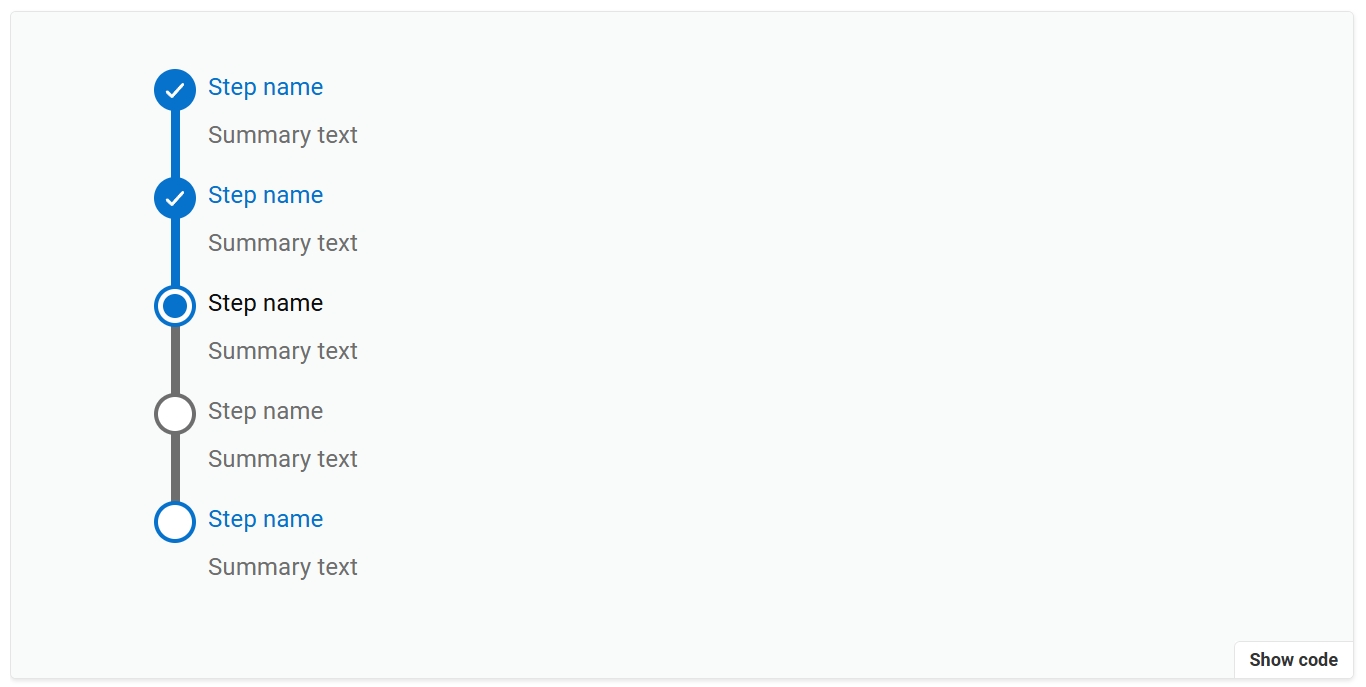
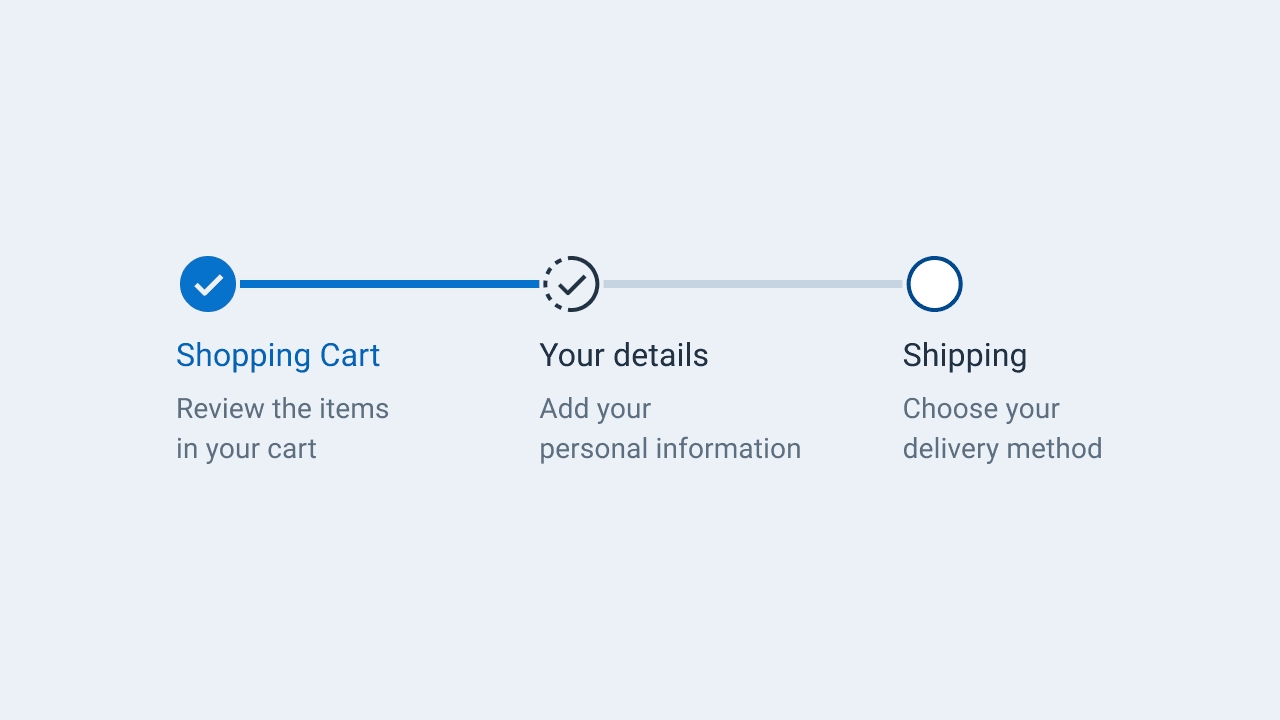
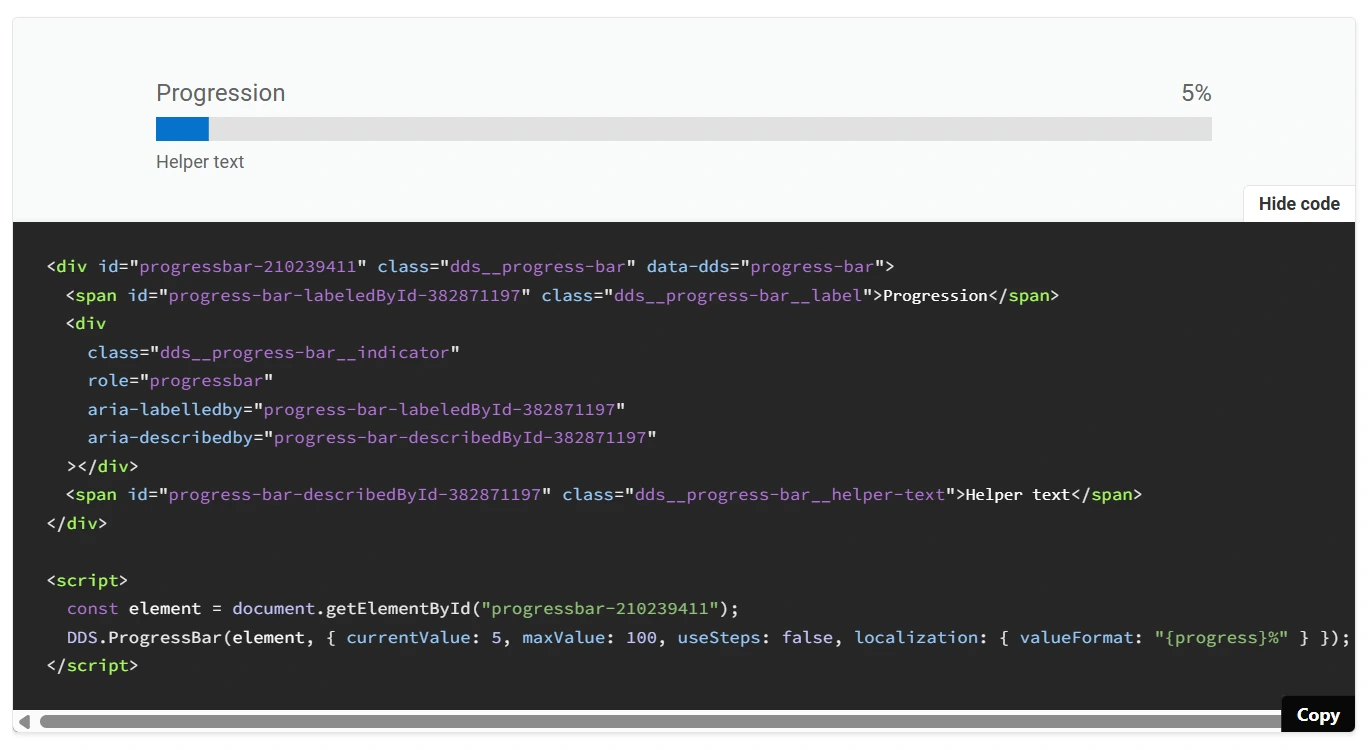
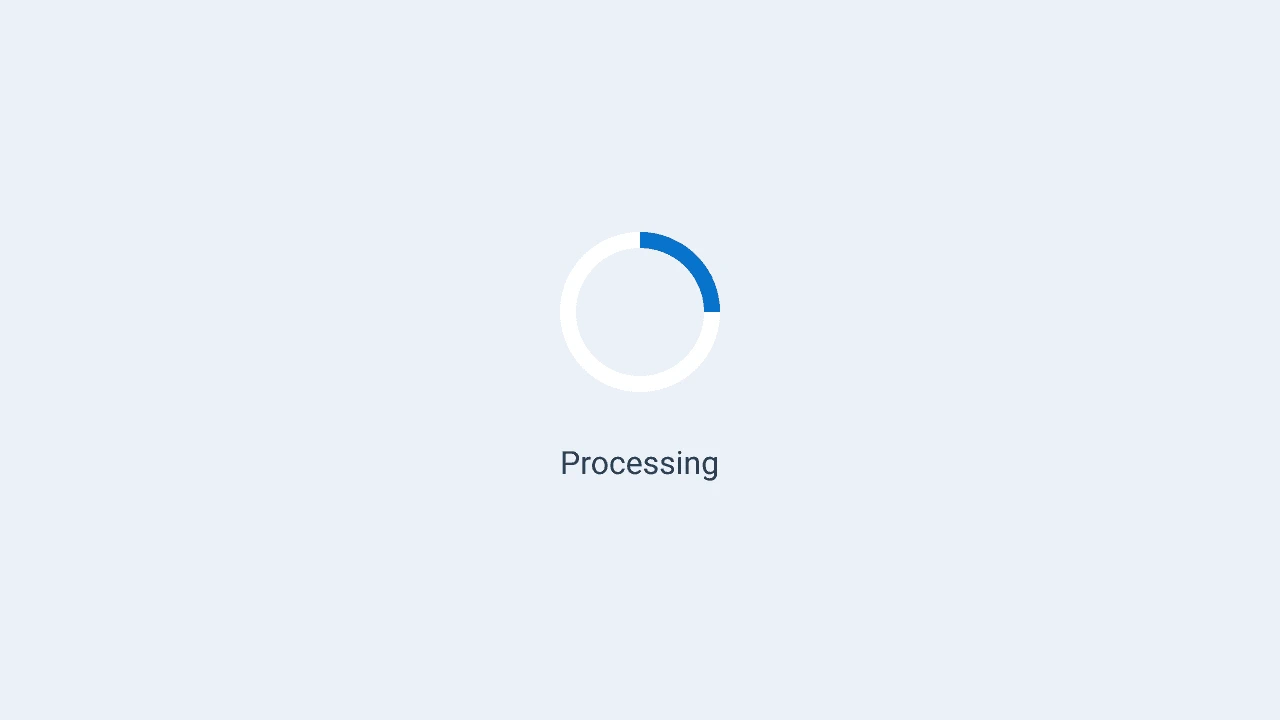
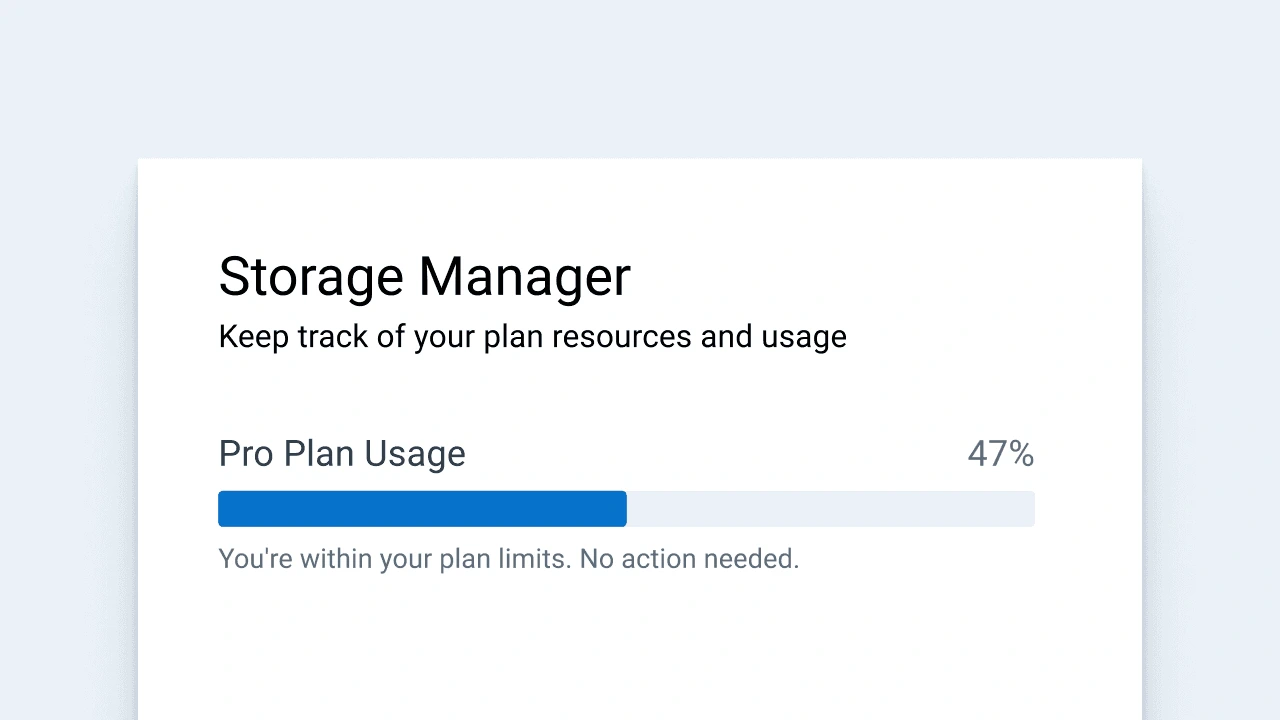
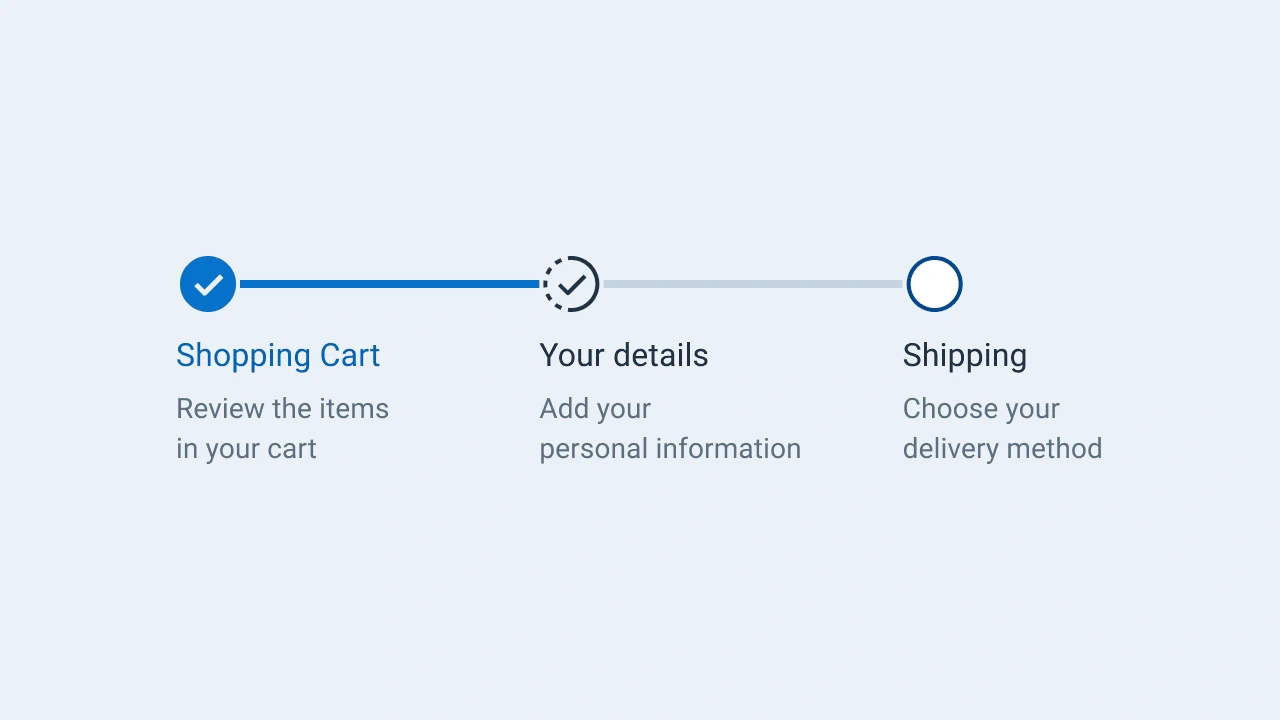
I engineered the Progress Bar component to convey real-time task completion states with visual clarity.
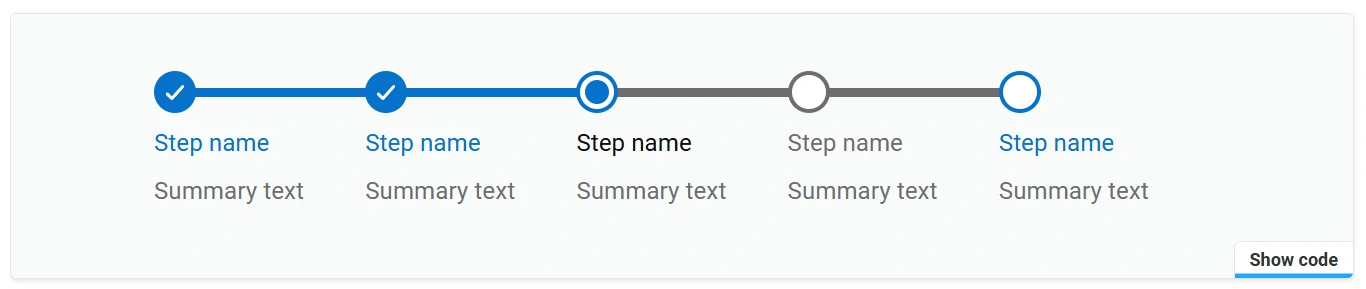
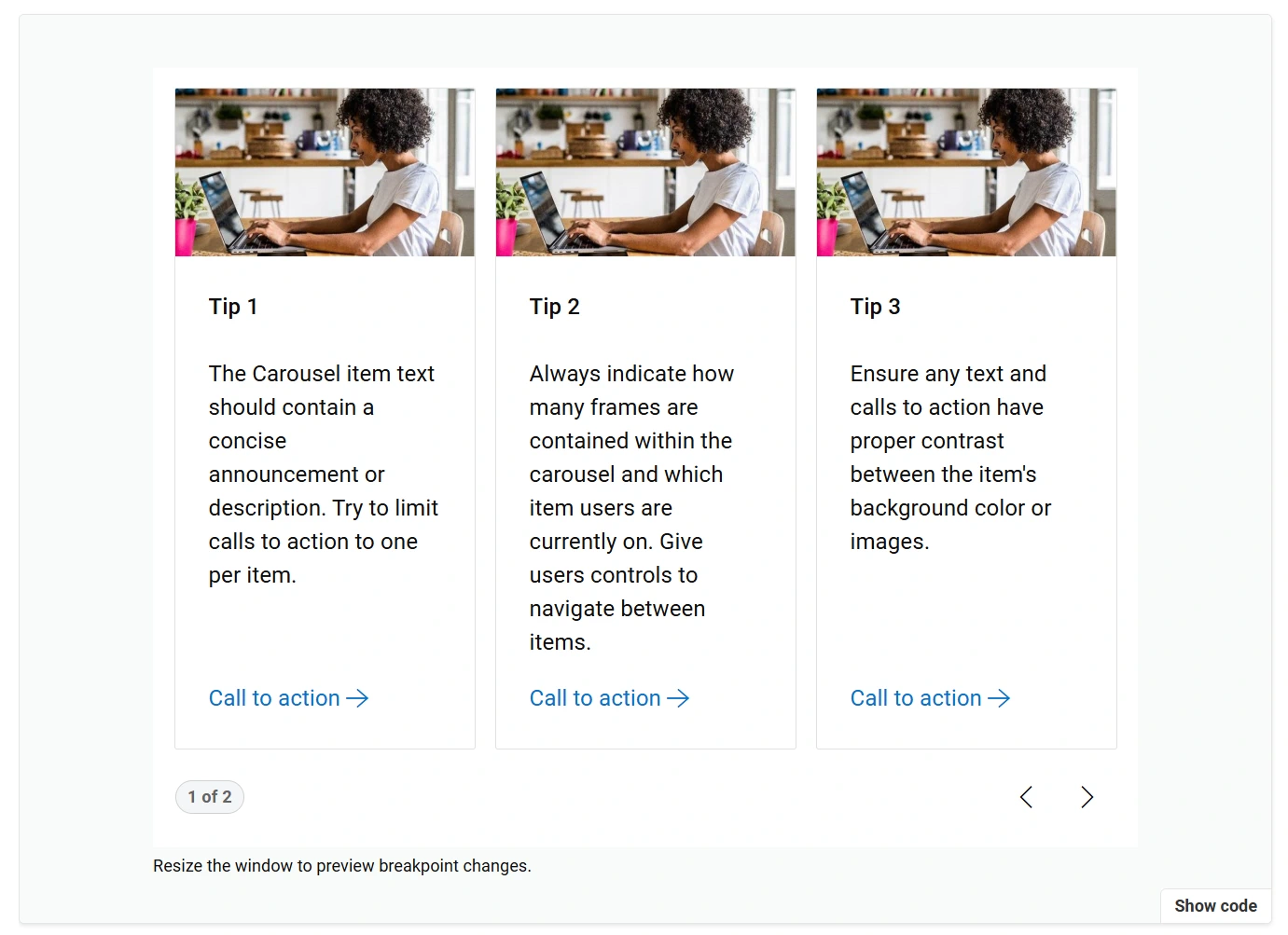
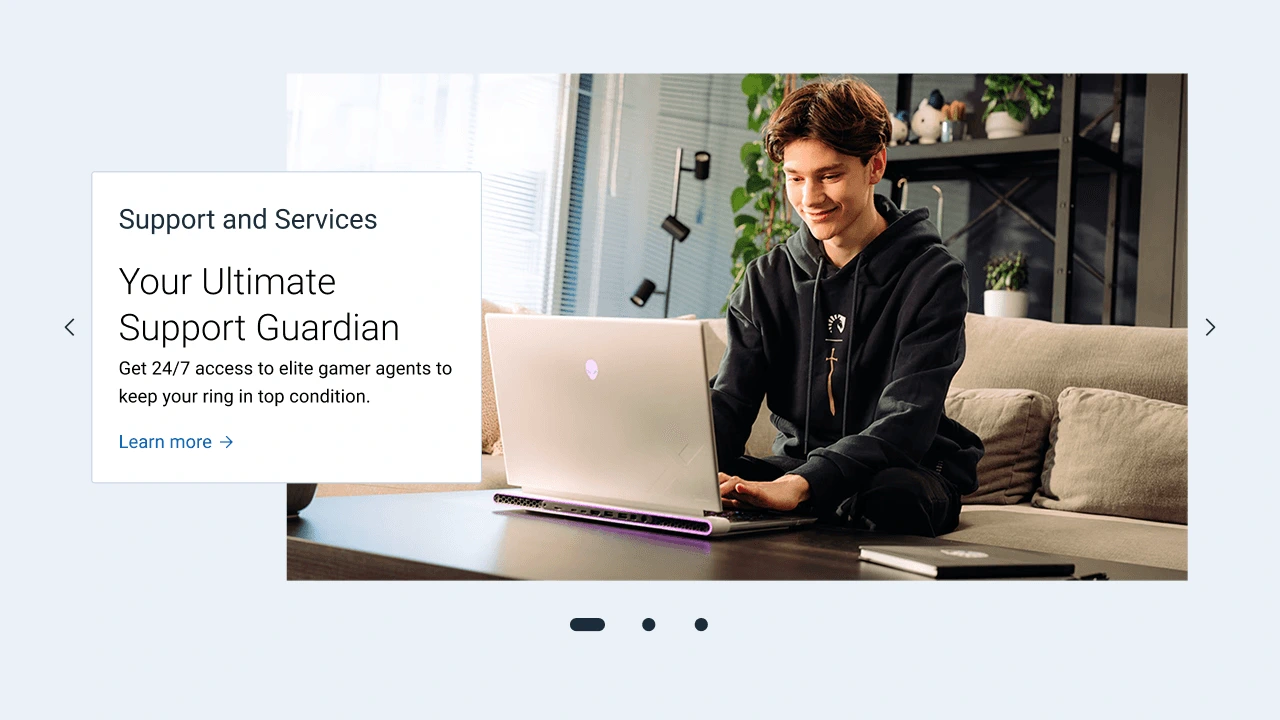
Next, I built the Carousel component, engineering smooth slide mechanics, touch gestures, directional navigation controls, and pagination indicators.
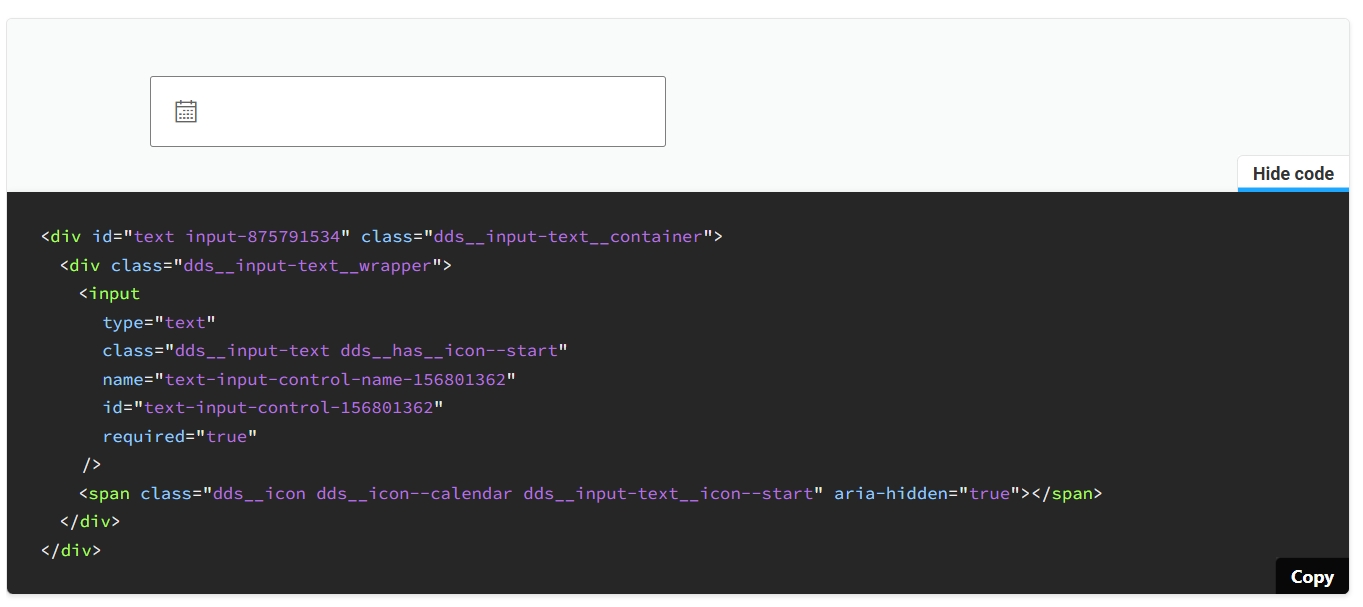
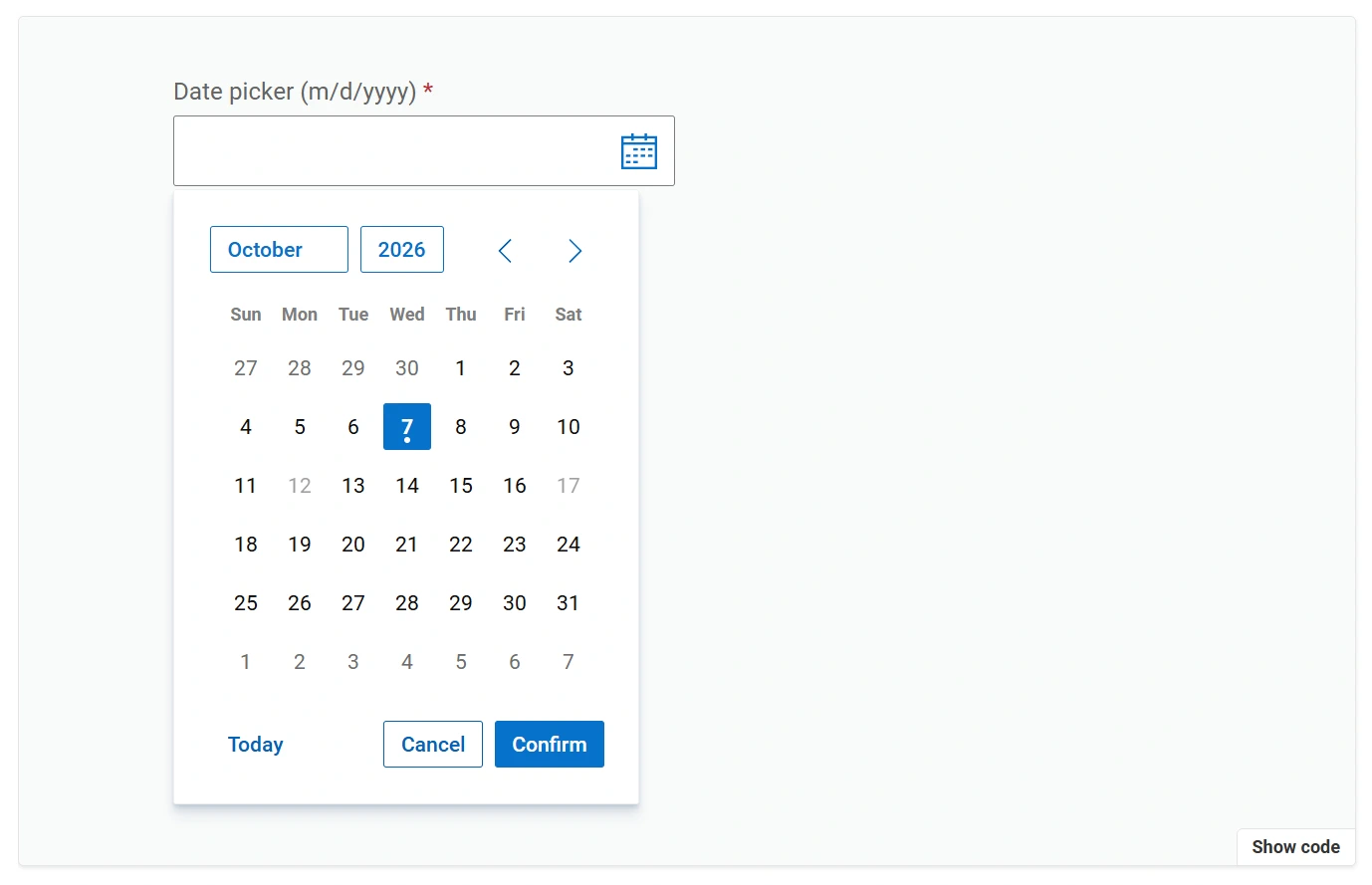
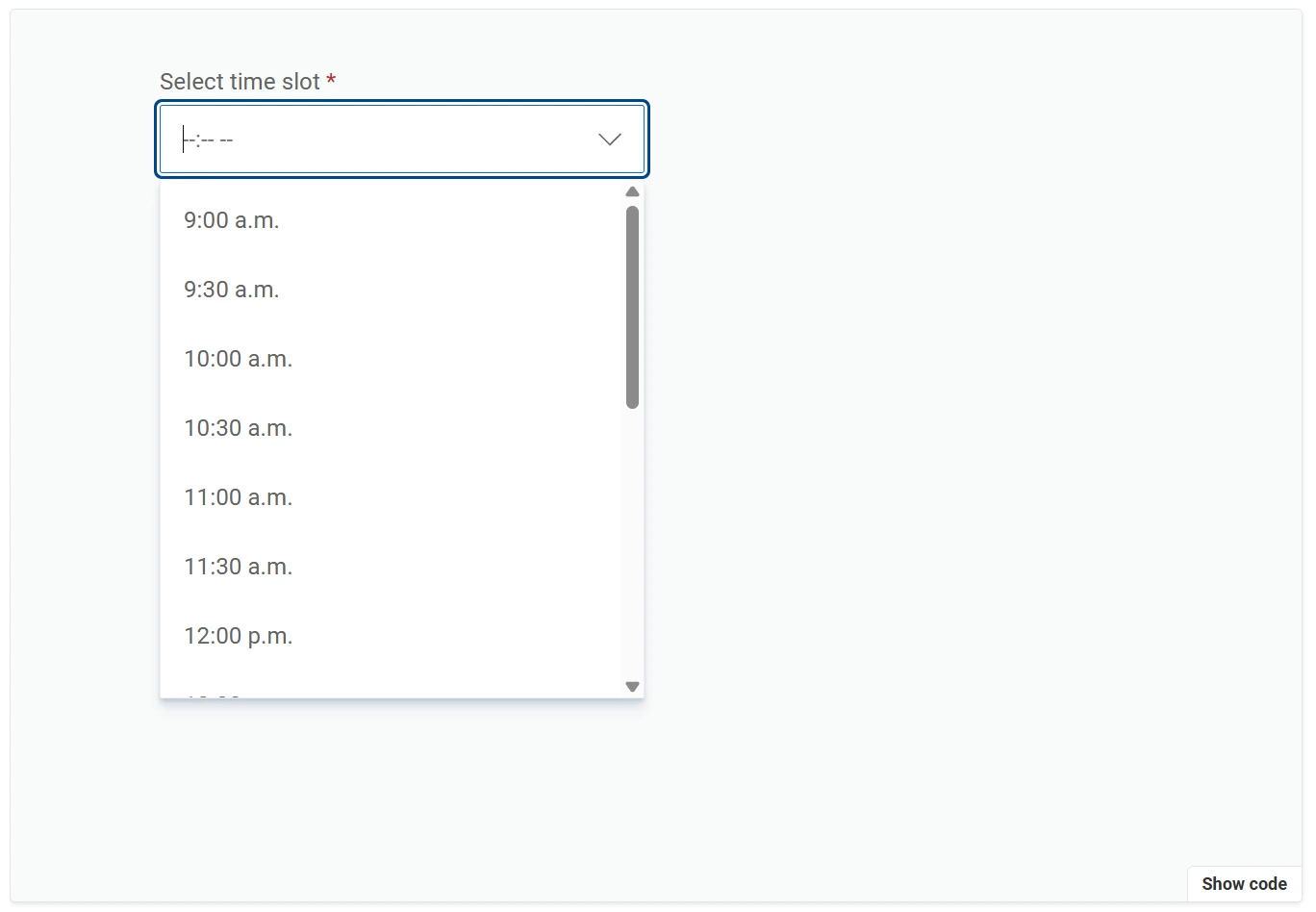
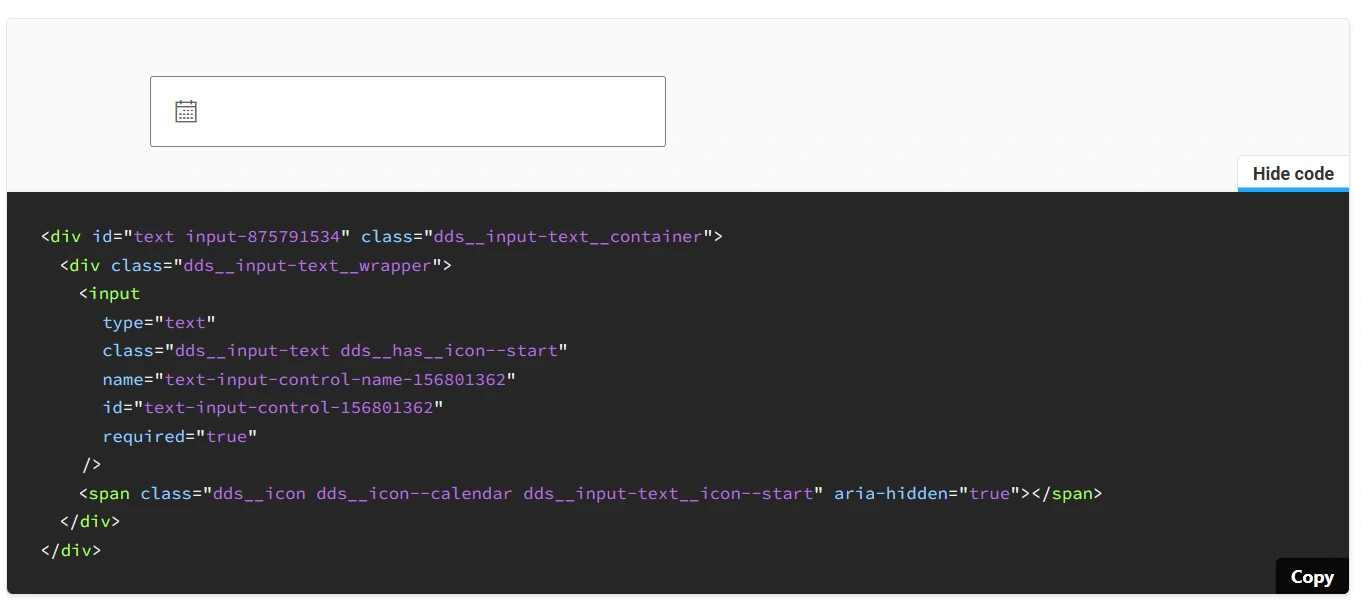
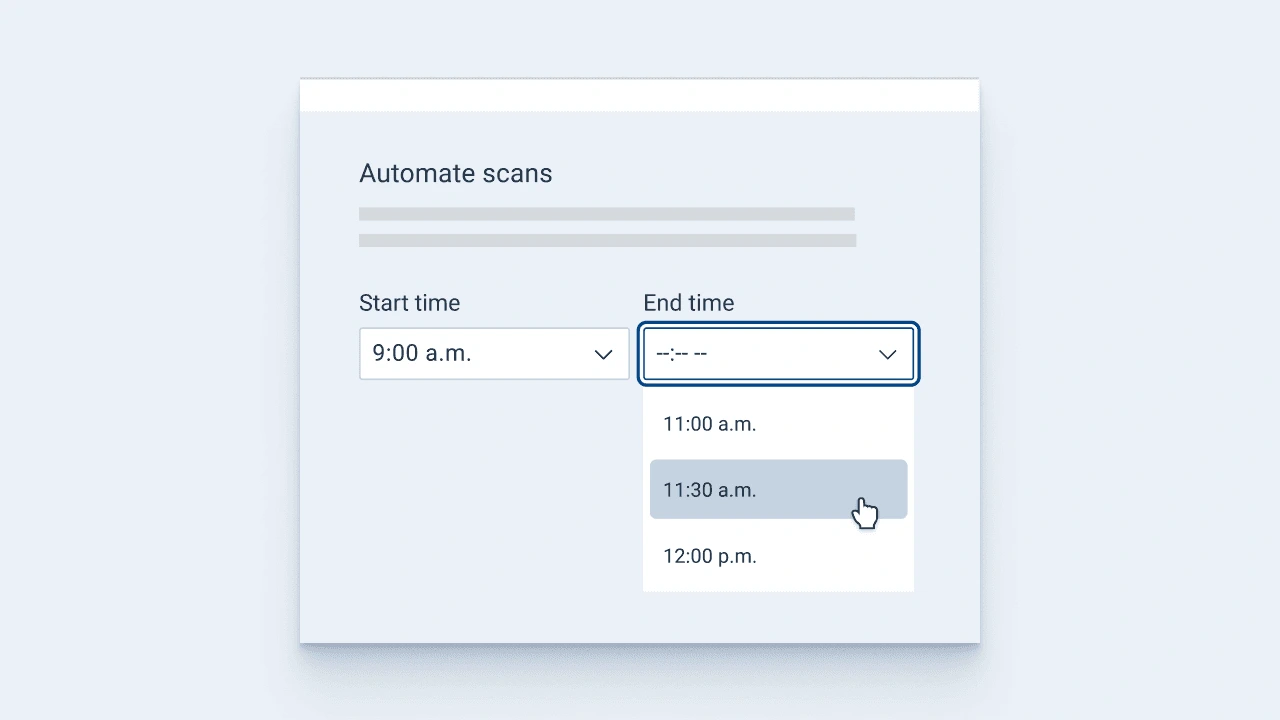
I then took on the Date Picker component, which presented a complex internationalization puzzle requiring seamless calendar menu rendering and date parsing across diverse languages, locales, and responsive layouts.
Working side by side with content strategists and visual designers ensured that engineering decisions remained aligned with broader design system standards.
Beyond component engineering, I actively contributed to establishing our foundational principles and operational frameworks.
In November 2022, I led the discovery and technical framing for the Typography foundation, coordinating design, engineering, and content disciplines to structure typography styles that govern the entire design system.
In January 2023, I navigated the complex discovery around the compact density font ramp user story.
Rather than avoiding difficult conversations, I presented a clear, professional rationale from both design and engineering standpoints regarding the final decision, earning a Game Changer recognition from Karsten Baker for transparent communication and structured backlog management.

To improve system stability and team efficiency, I led targeted process innovations.
In February 2023, I spearheaded a Bug Bounty initiative, successfully categorizing 52 support tickets and resolving 12 critical component issues within a single sprint.
In March 2023, I authored a comprehensive flowchart mapping our component creation lifecycle, creating clear operational visibility across design, content, and engineering squads.
My passion for innovation led me to participate in the first annual DDS Hackathon in May 2023.
As part of the Witty Widget Wizards of Dell team, we earned Runner-Up honors for developing DDSAsk, an AI-powered support agent designed to answer documentation queries and streamline internal adoption.
Later in November 2023, I solved a longstanding Storybook meta tags issue, enabling accurate documentation linking across our component library.
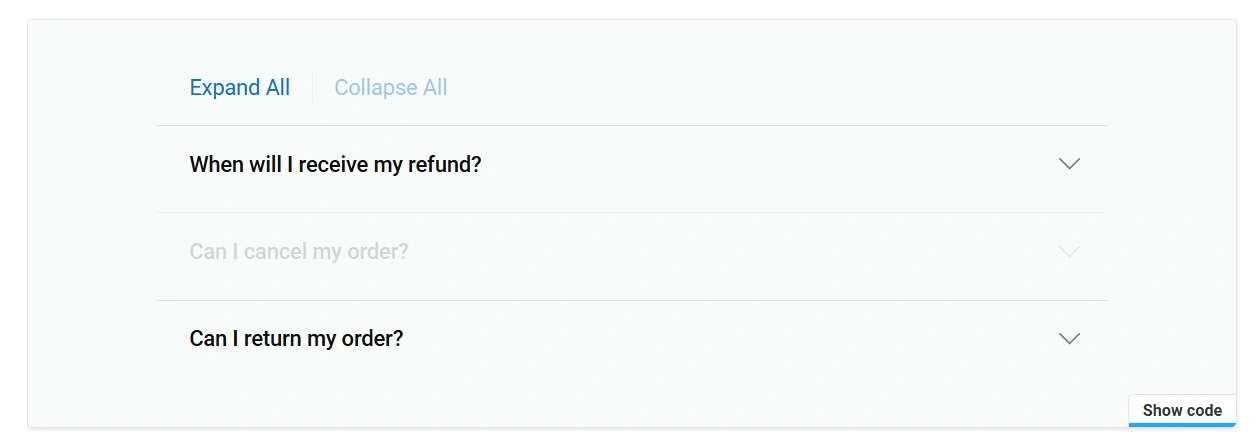
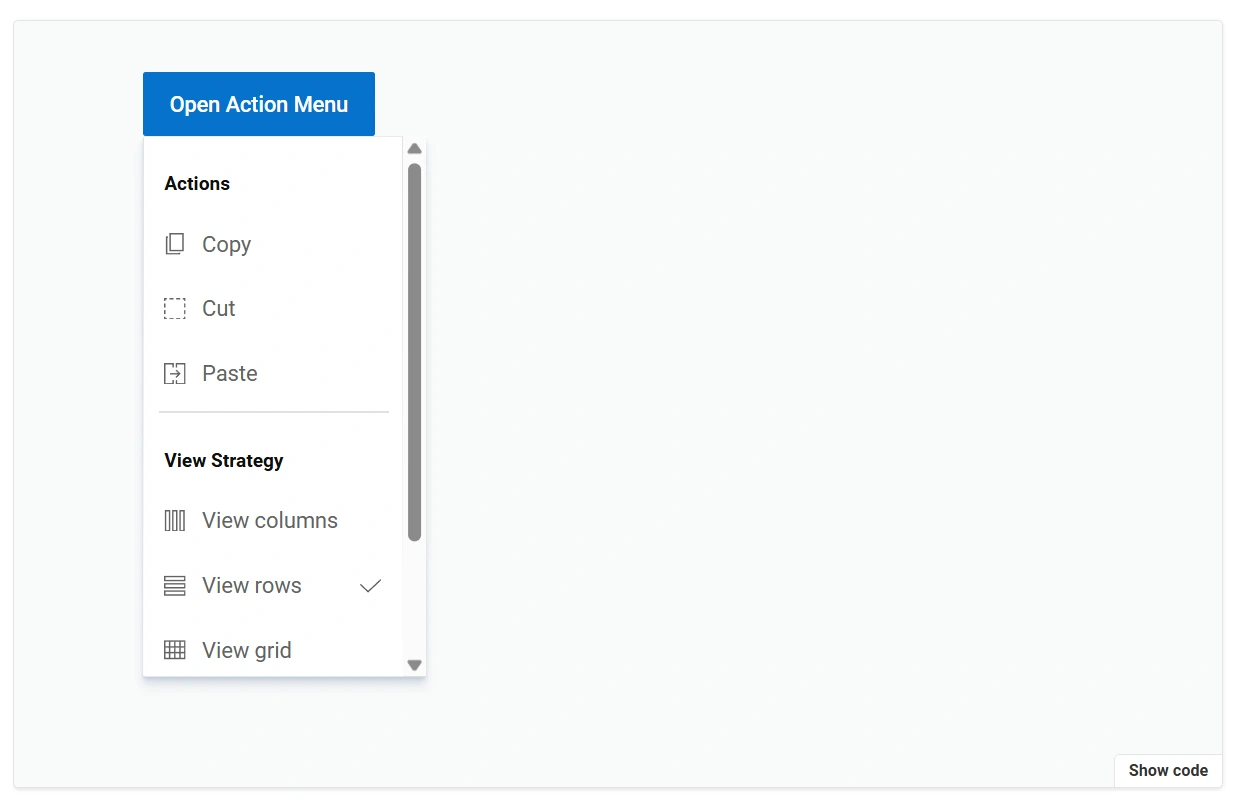
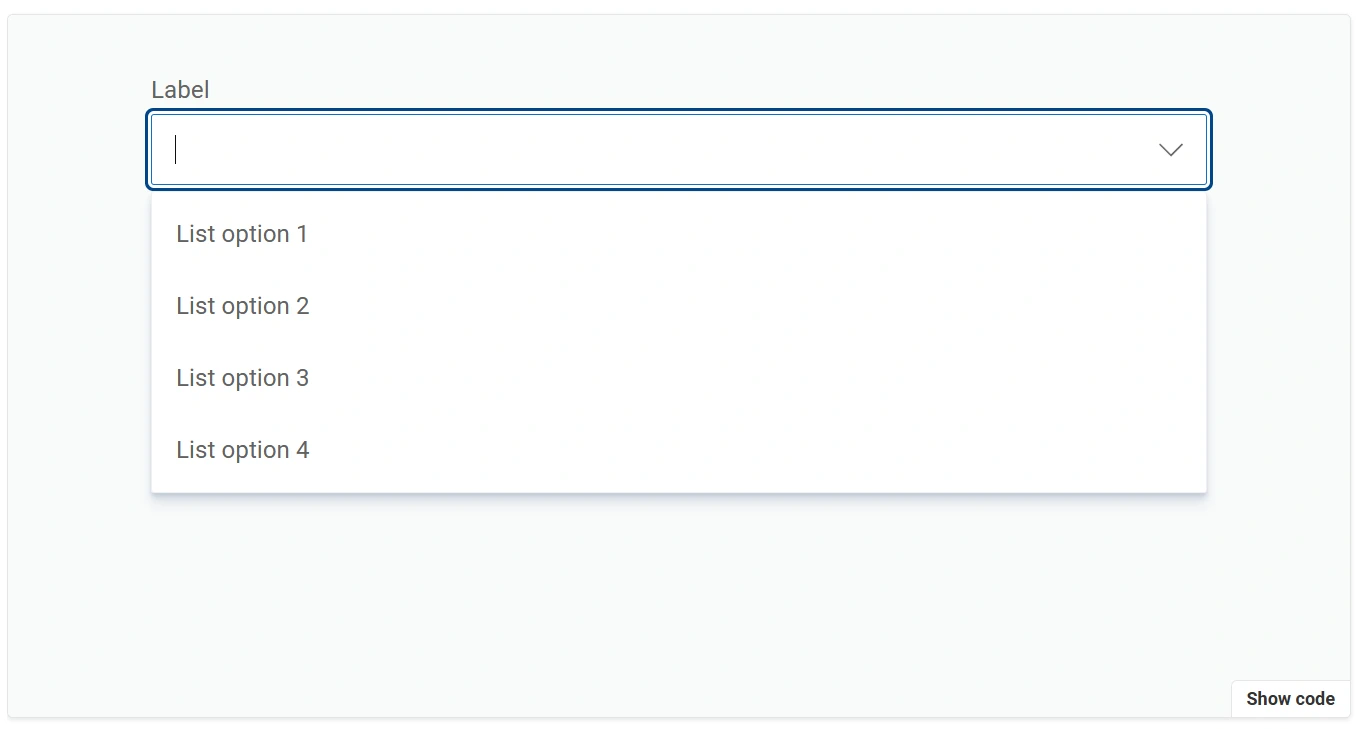
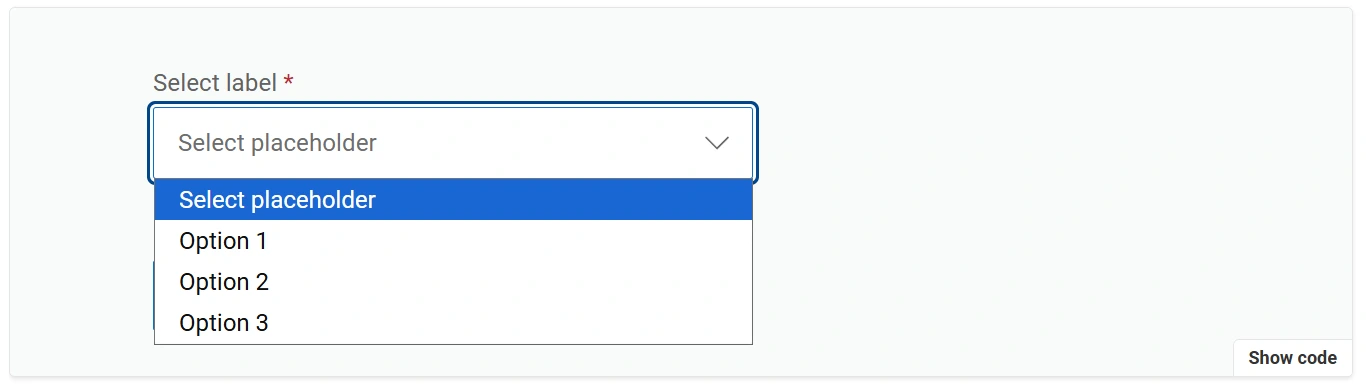
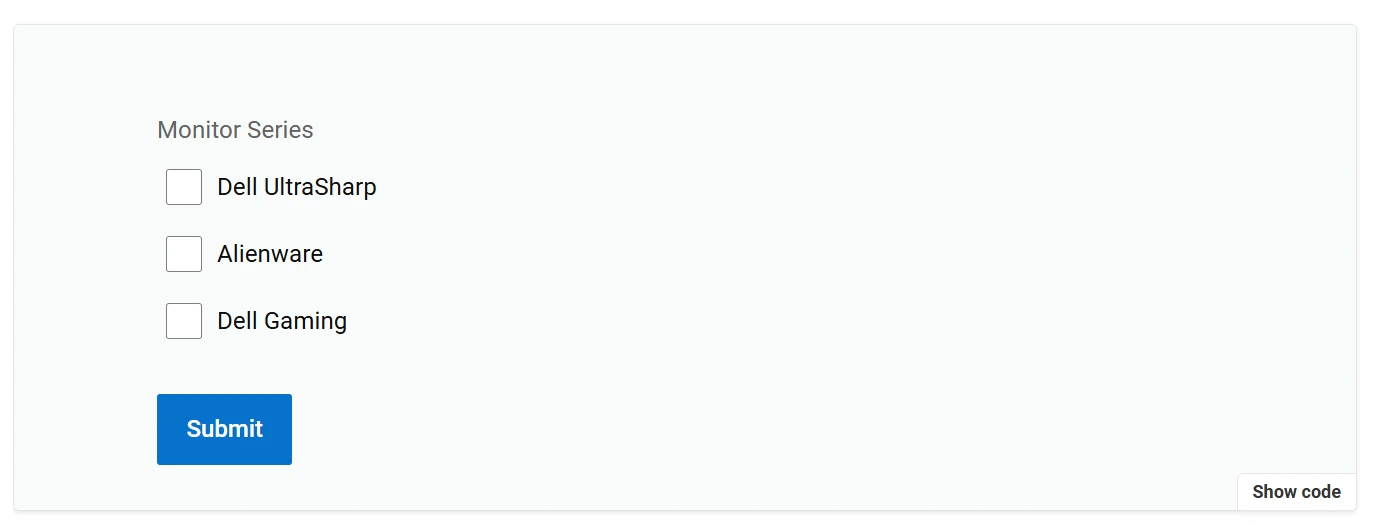
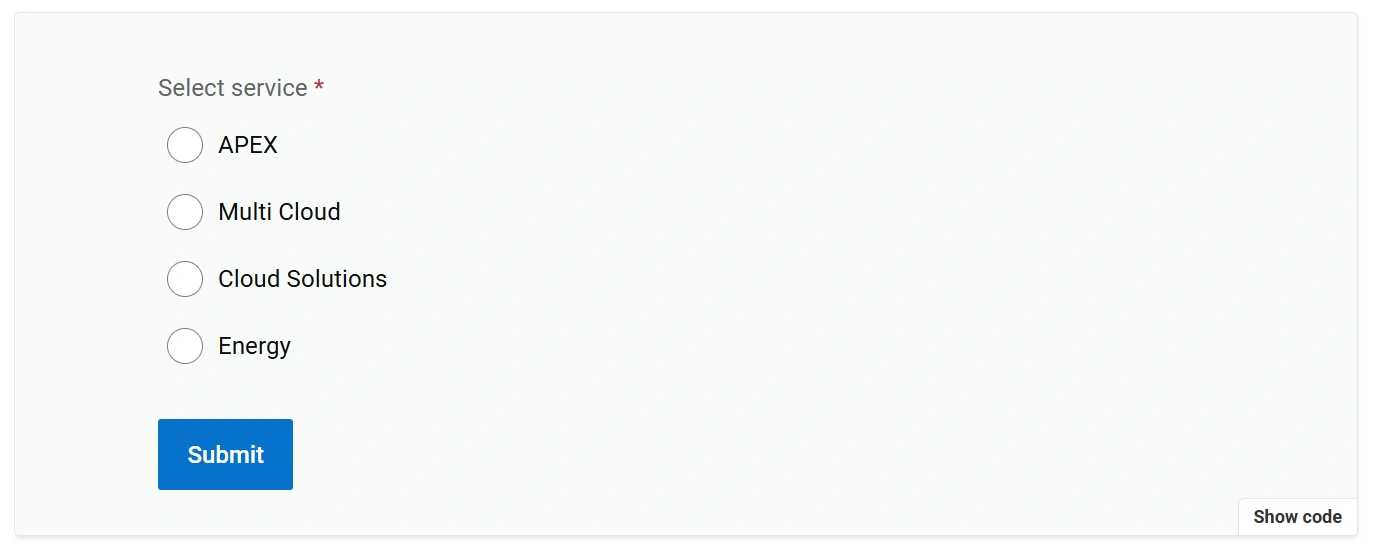
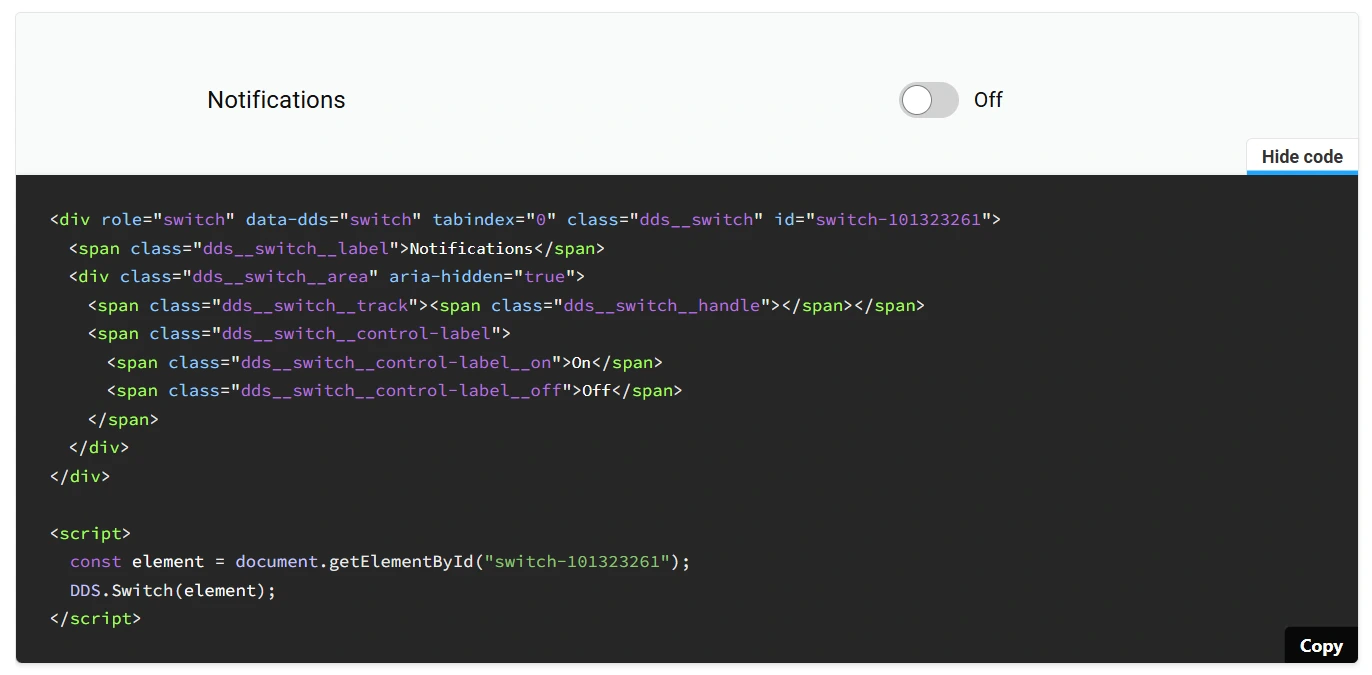
In April 2023, approximately ten months into my tenure at Dell, I was promoted to Principal Software Engineer and stepped into the role of Scrum Lead.
During this period, the Dell Design System experienced rapid expansion, evolving from a pure Vanilla library into a multi-framework ecosystem with dedicated Angular and Data Visualization libraries.
As Scrum Lead for the Vanilla and Foundations team, I bridged the gap between engineering and design, keeping foundational design tokens, color palettes, elevation guidelines, grid layouts, and typography aligned while coordinating closely with Product Managers across squads.
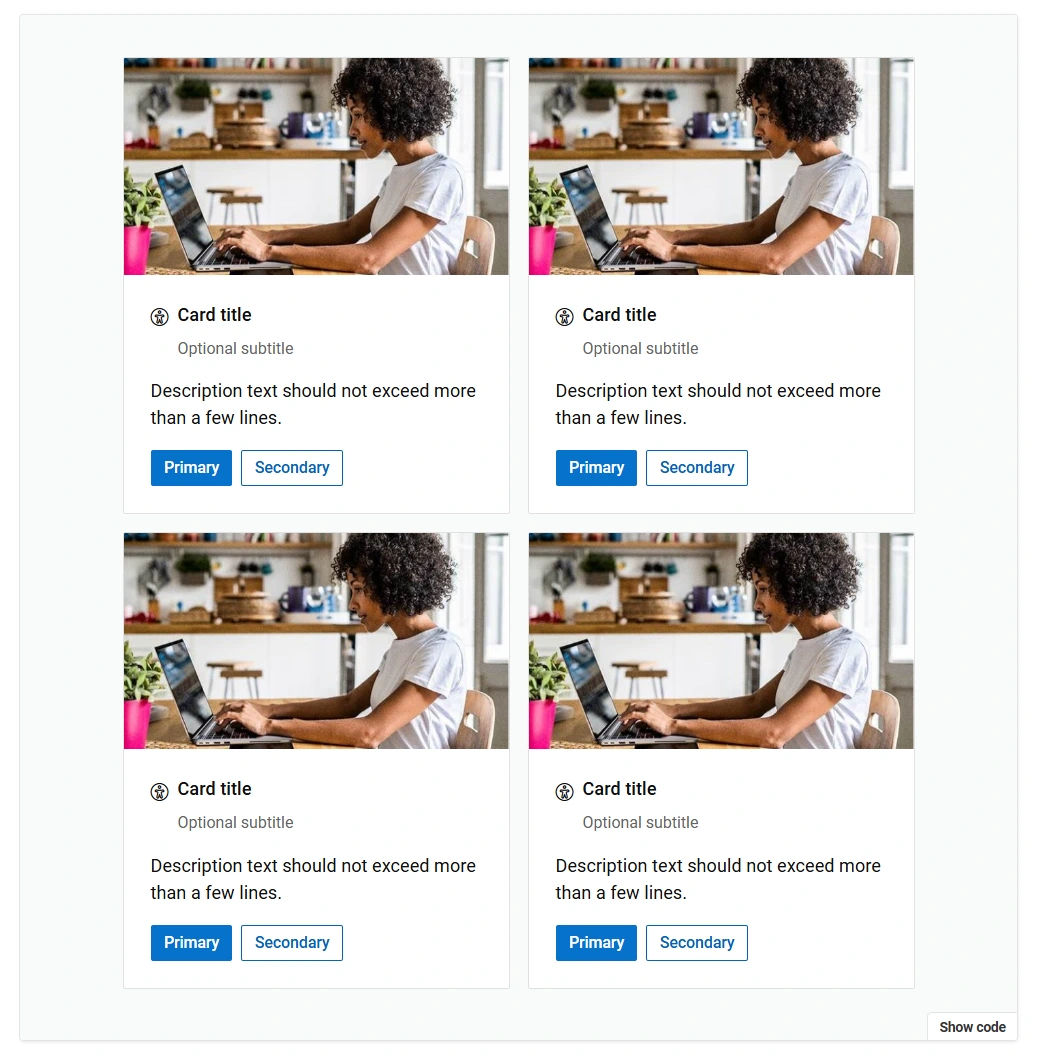
In February 2024, I assumed the role of Tech Lead for Vanilla while continuing my responsibilities as Scrum Lead.
This dual role allowed me to drive technical excellence and process efficiency simultaneously.
On the technical front, I led enhancements across our Vanilla implementation, core styles, and design token architectures to ensure that every component remained cohesive, performant, and fully accessible.
On the operational front, I implemented agile and Scrumban methodologies to optimize team communication, streamline sprint ceremonies, and remove technical bottlenecks.
Concurrently, I completed my Master's degree in IT People Management and Leadership, directly applying advanced concepts in workflow optimization, BPMN diagramming, mentoring, and coaching back into our daily design system operations.

My dedication to engineering excellence and cross-functional leadership brought continuous impact across multiple initiatives.
In July 2024, I volunteered to help bring the Dell Heroes platform live, expanding my technical scope to support internal recognition tools.
In August 2024, I was recognized for outstanding leadership across Foundations, Components, Data Visualization, and Tooling squads as we delivered new chart types and VS Code plugin integrations.
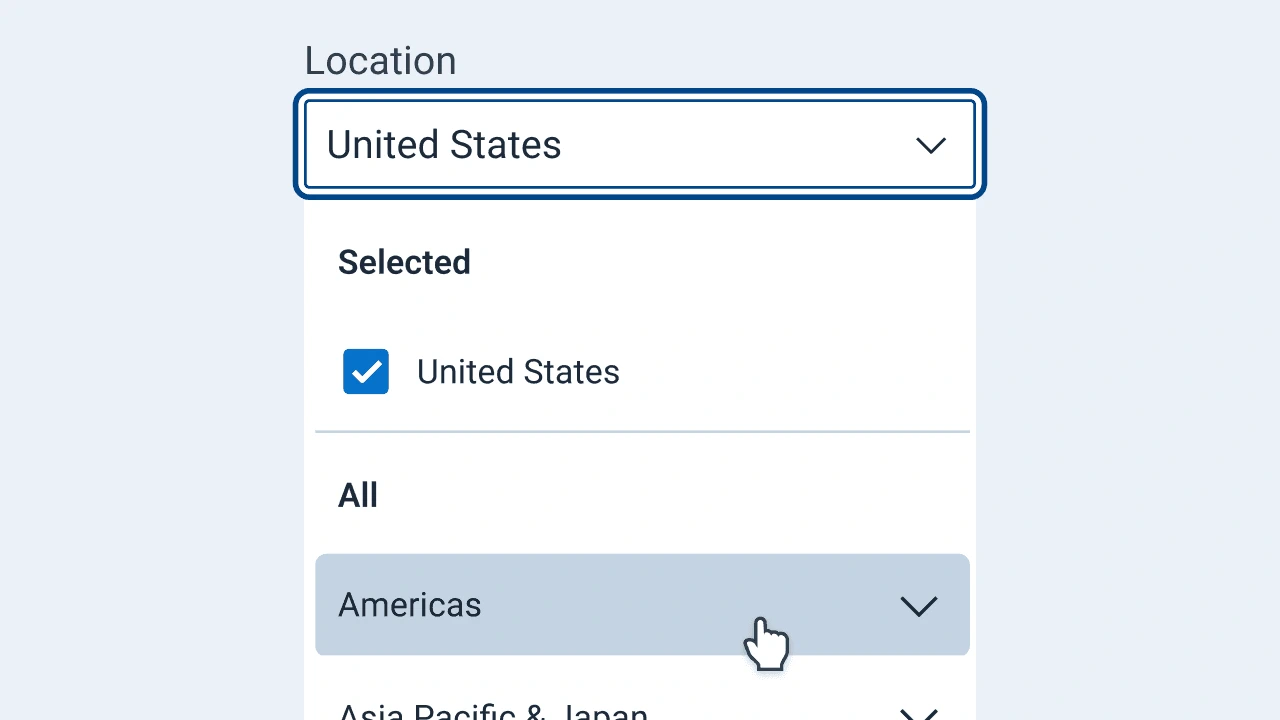
When production issues arose, such as a mobile dropdown overflow bug on the Printer Category page in October 2024, I collaborated to deliver and deploy a verified hotfix within 24 hours.
Furthermore, I collaborated closely with our Lead Architect to elevate our DevOps Assessment Dashboard scores to between 95% and 100% across complex Akamai and Artifactory deployment pipelines.
I also provided dedicated daily support across our General Teams channels, assisting internal product teams with technical troubleshooting and rapid problem resolution.

In April 2025, my role evolved into Technical Lead and Scrum Lead for the Standards team as the design system faced a major architectural hurdle.
Although Version 2 was actively supporting Vanilla, React, Angular, and Data Visualization, maintaining feature and bug fix synchronization across four distinct framework libraries created significant friction.
To overcome this challenge, leadership initiated a strategic shift to dismantle framework silos, empowering engineers to contribute seamlessly across all technology stacks.
As lead for the Standards squad, I guided our team through this transition while delivering major technical milestones.
In April 2025, I organized comprehensive Deep Dive technical sessions to align the entire design system team on upcoming architectural shifts.
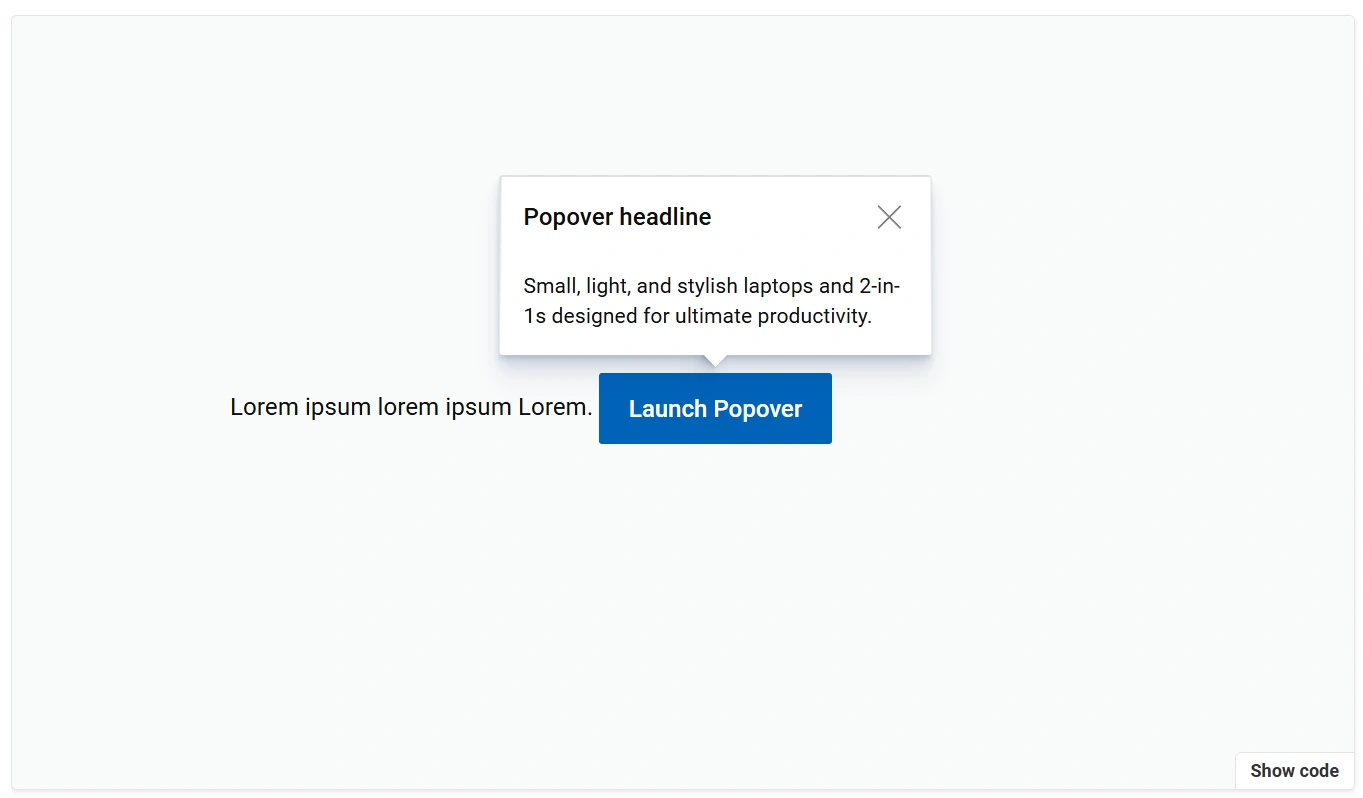
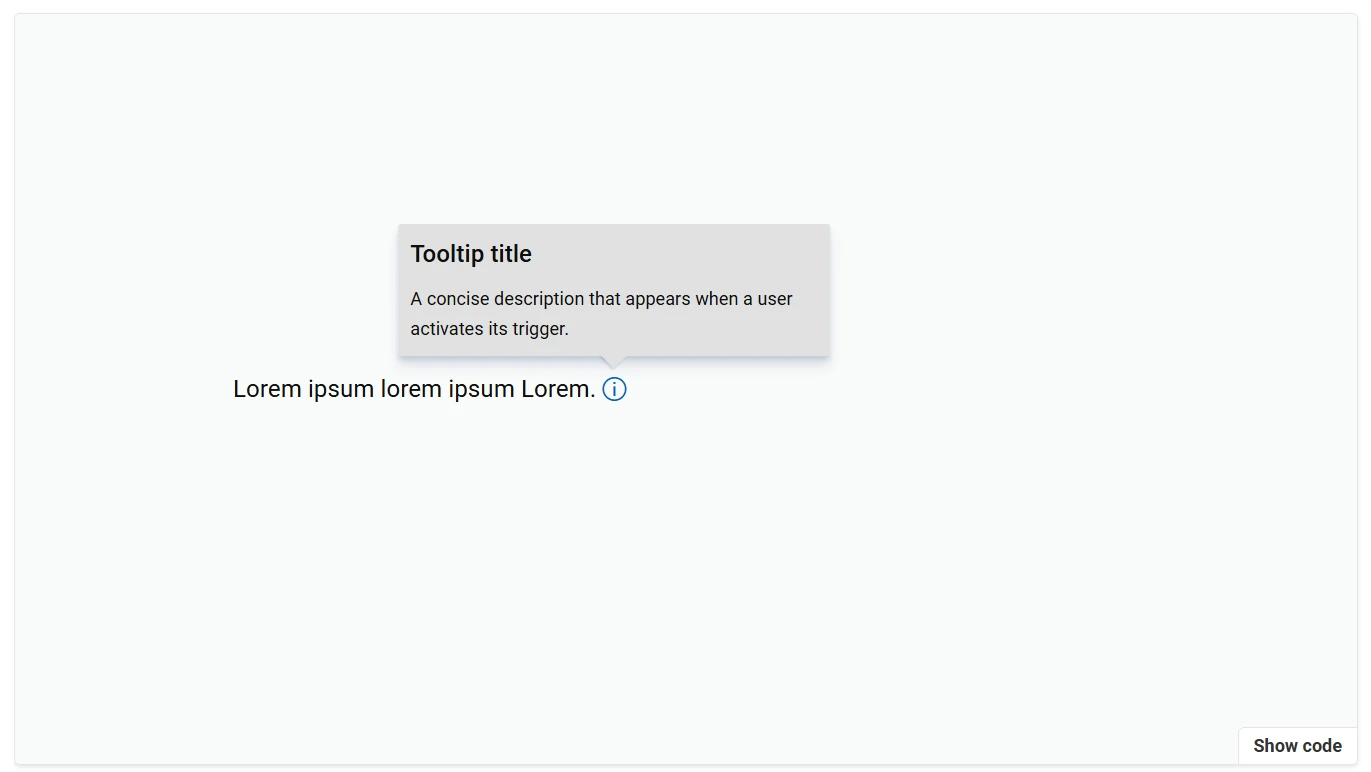
That same month, I served as an organizer for the DDS Dev Hackathon, coordinating a week of technical sessions, 22 completed challenges, 54 usability bonus activities, and the submission of 12 strategic roadmap epic candidates including Tooltip positioning enhancements, loading skeletons, and table CRUD patterns.
In June 2025, I won the Know Pain, Know Gain challenge for delivering valuable customer-centric feedback to refine product user experiences.
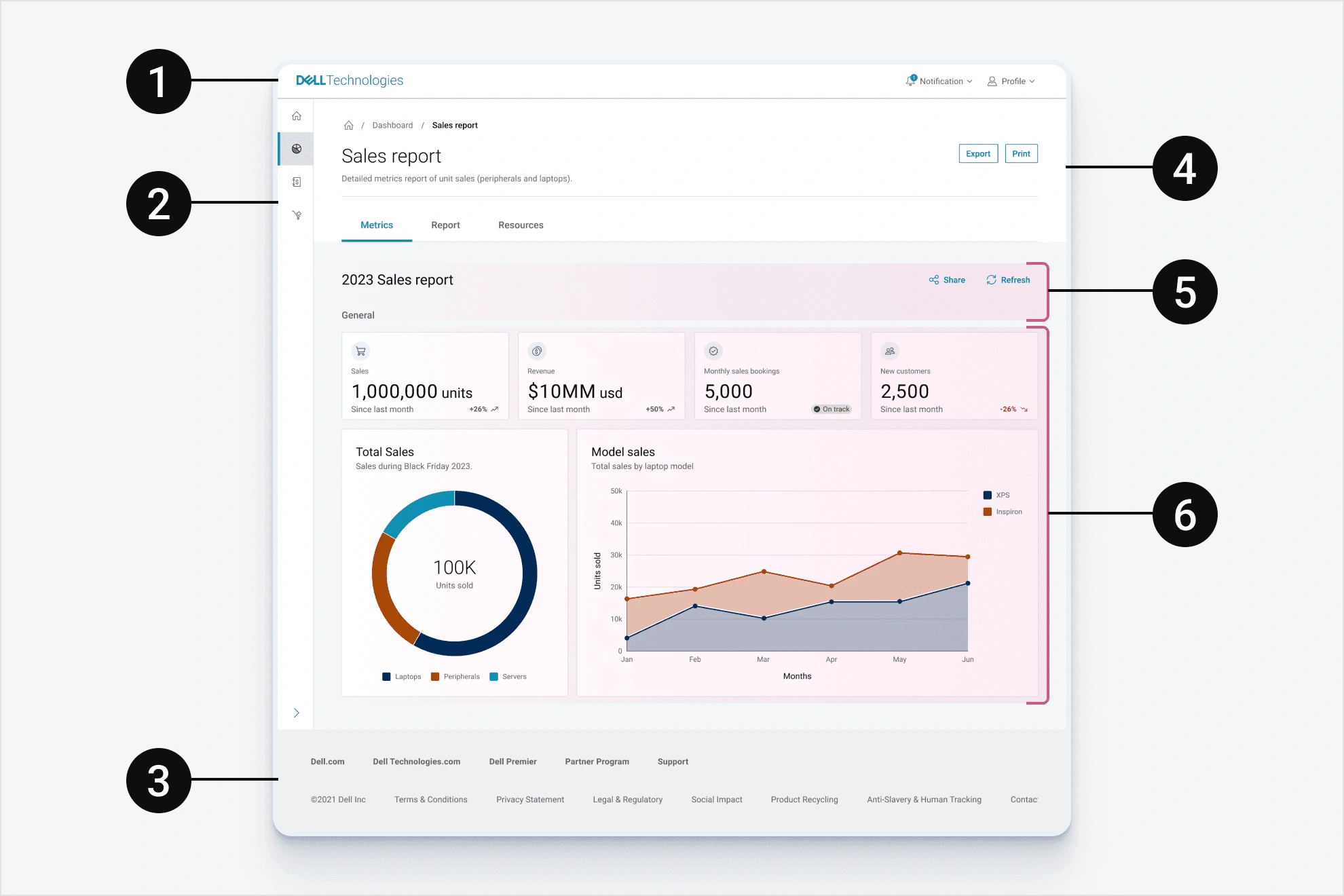
Throughout the second quarter of 2025, our team achieved remarkable operational results across all code libraries.
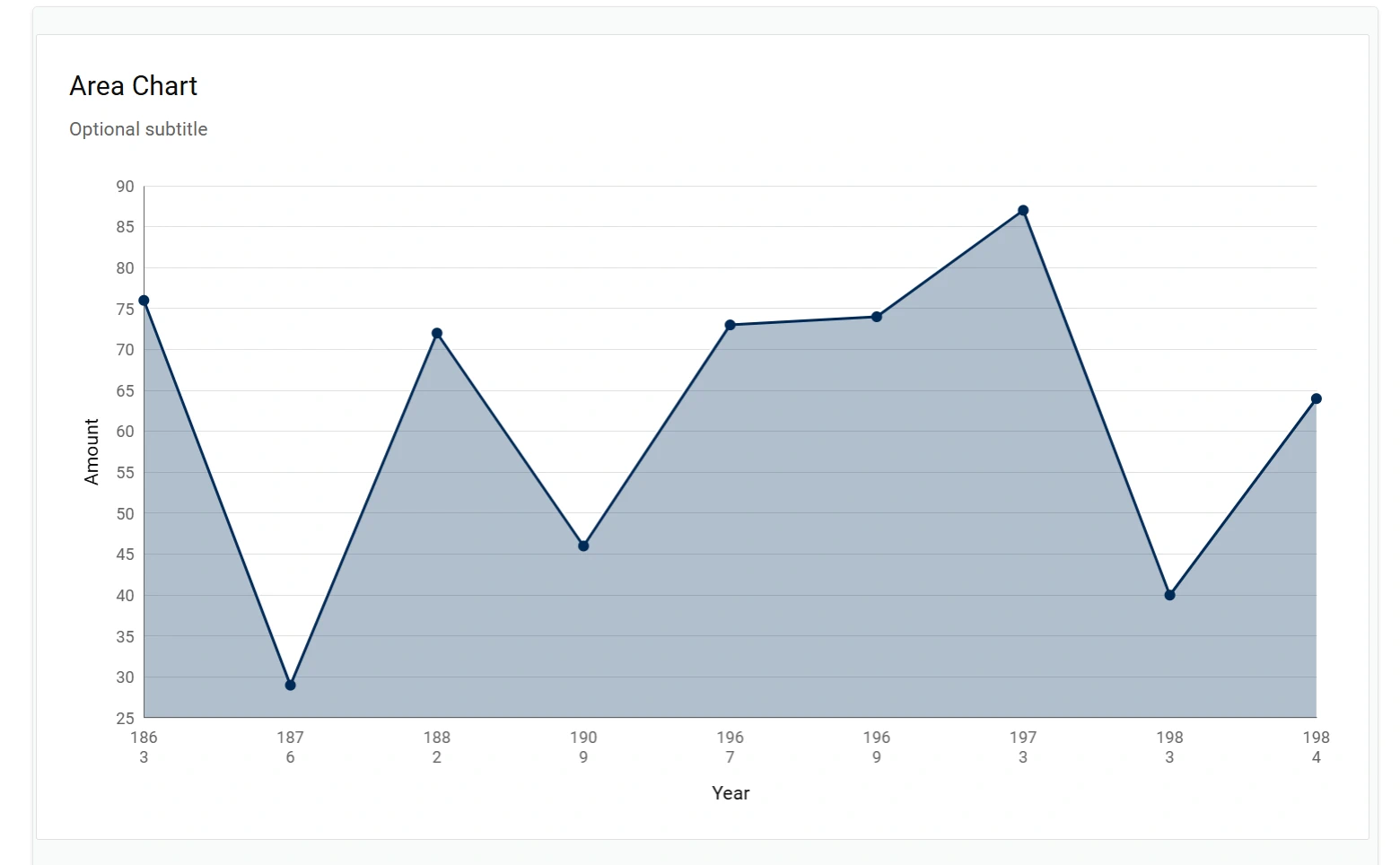
We led the major upgrade to Angular 17 through rigorous component testing, achieved 98% component parity between React and our Vanilla and Angular libraries, delivered key customer enhancements to Data Visualization, and released Vanilla Component Templates to simplify HTML and CSS integration for product teams.
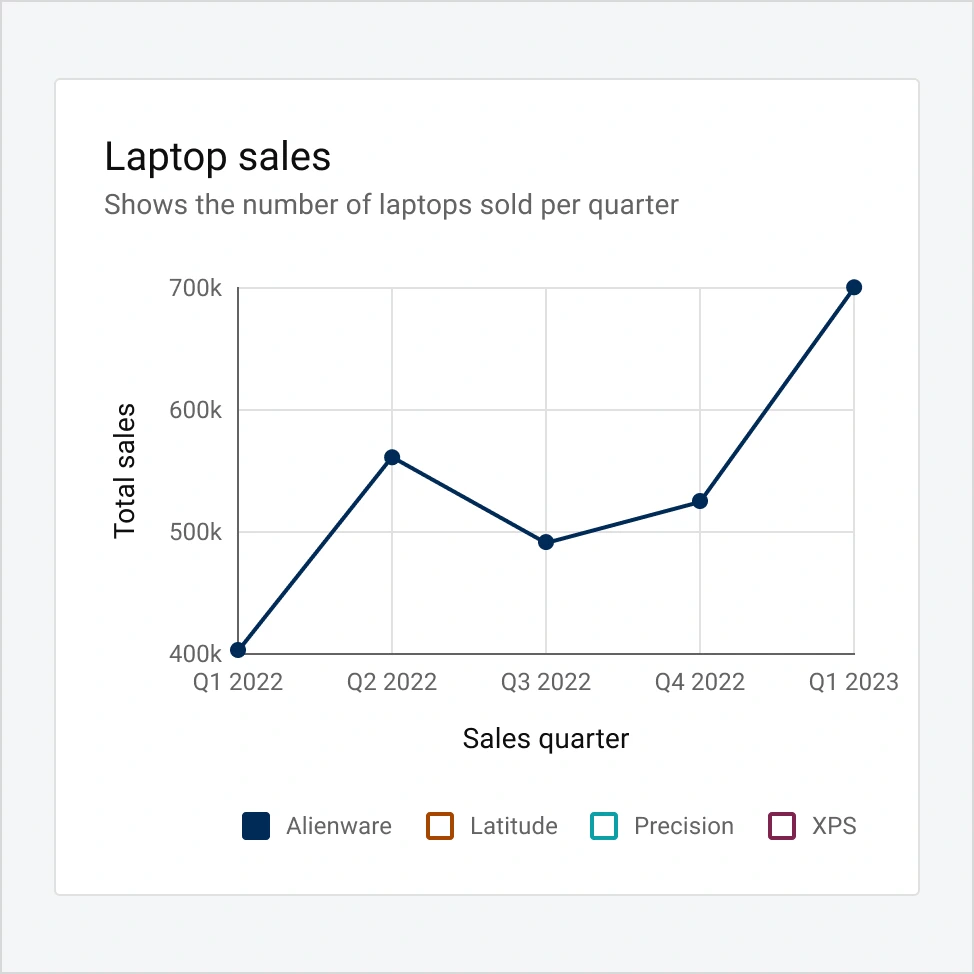
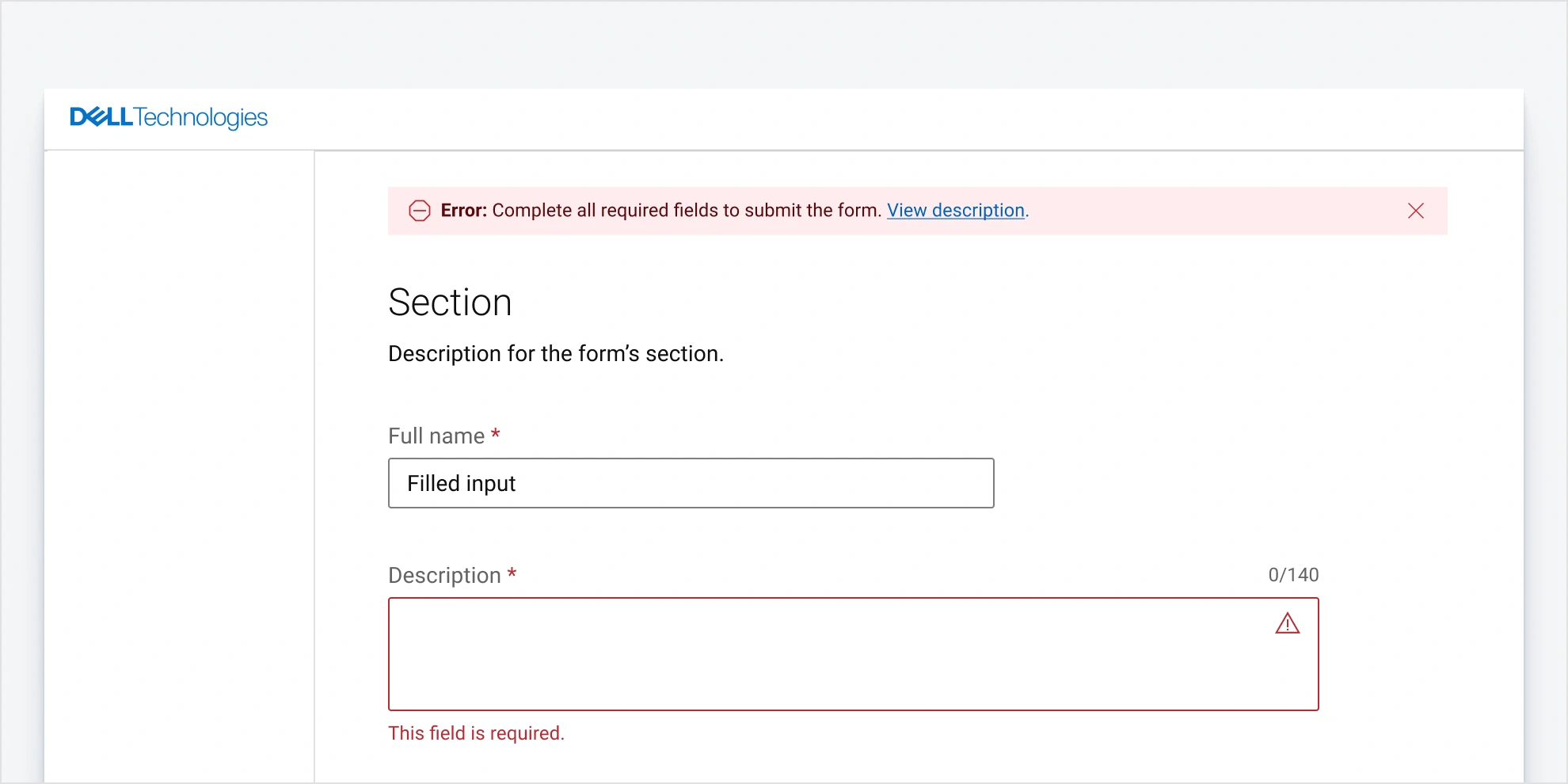
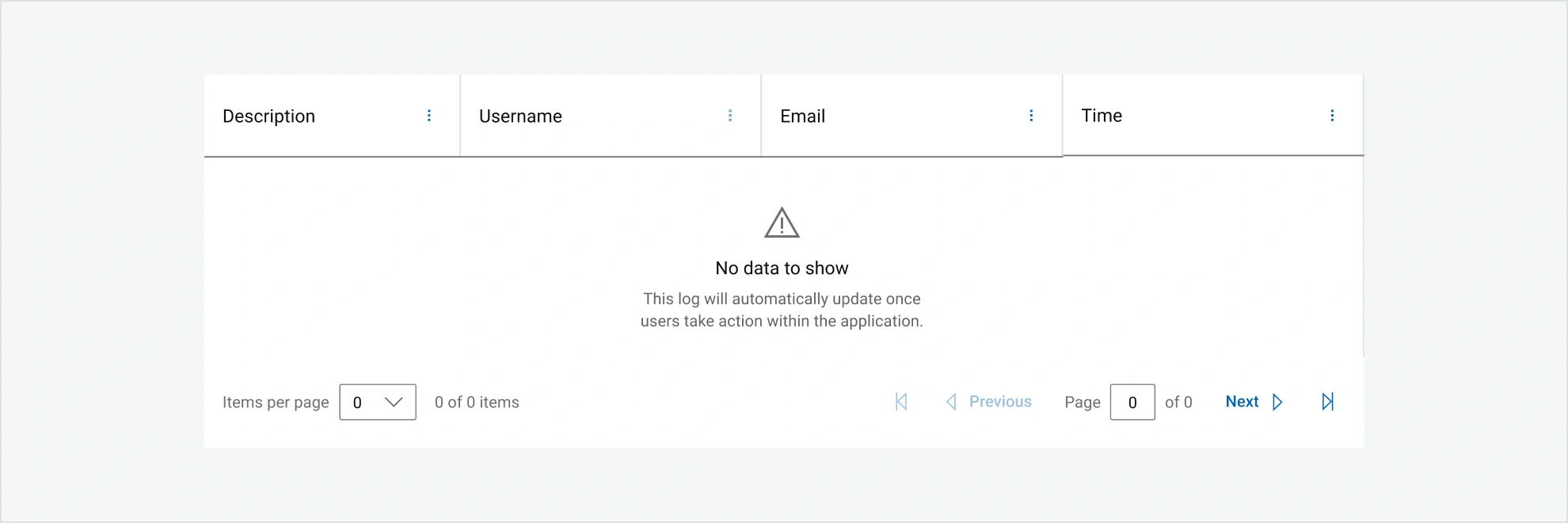
Our continuous drive toward framework alignment culminated in October 2025, when the team was honored with a Game Changer award for achieving 100% component completion and parity across DDS v2 Vanilla, Angular, and React libraries.
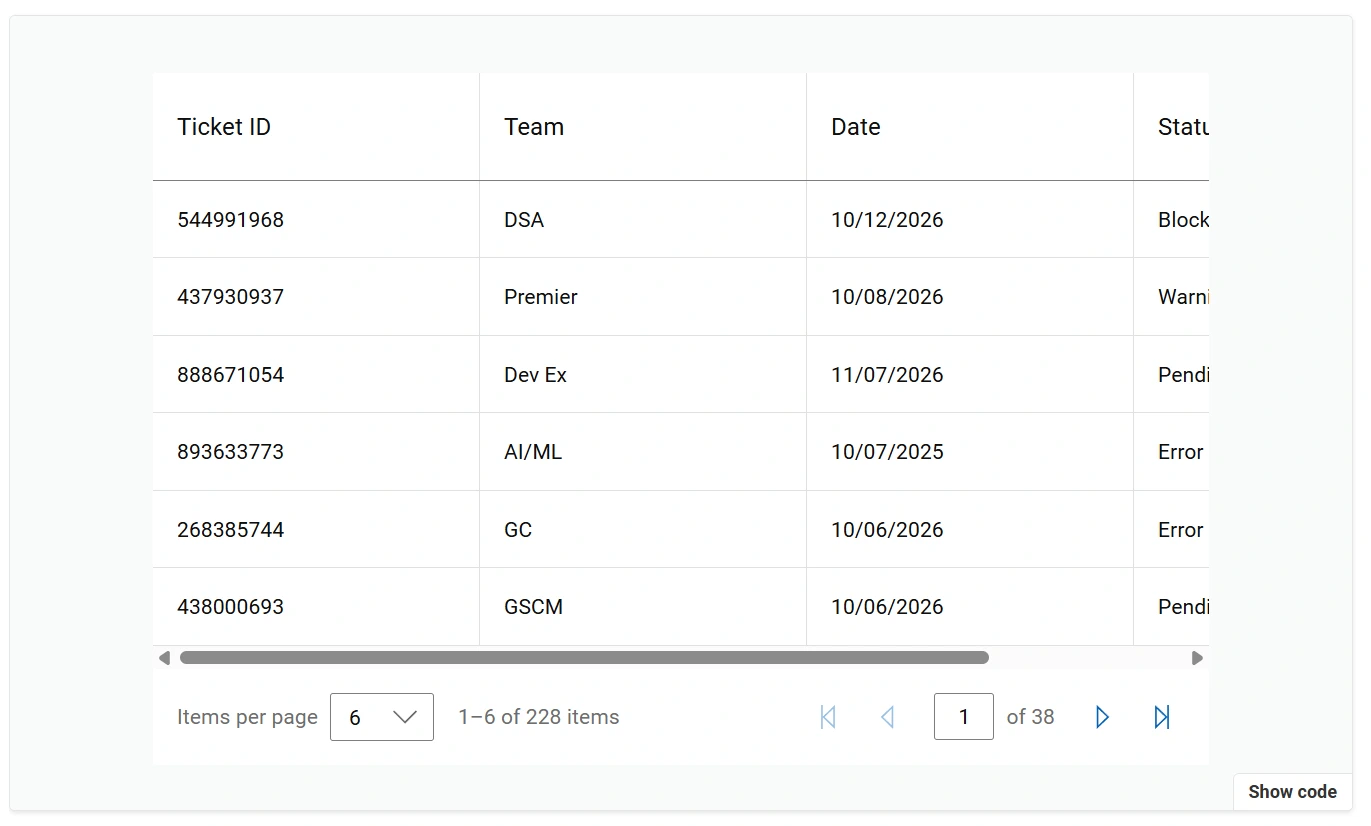
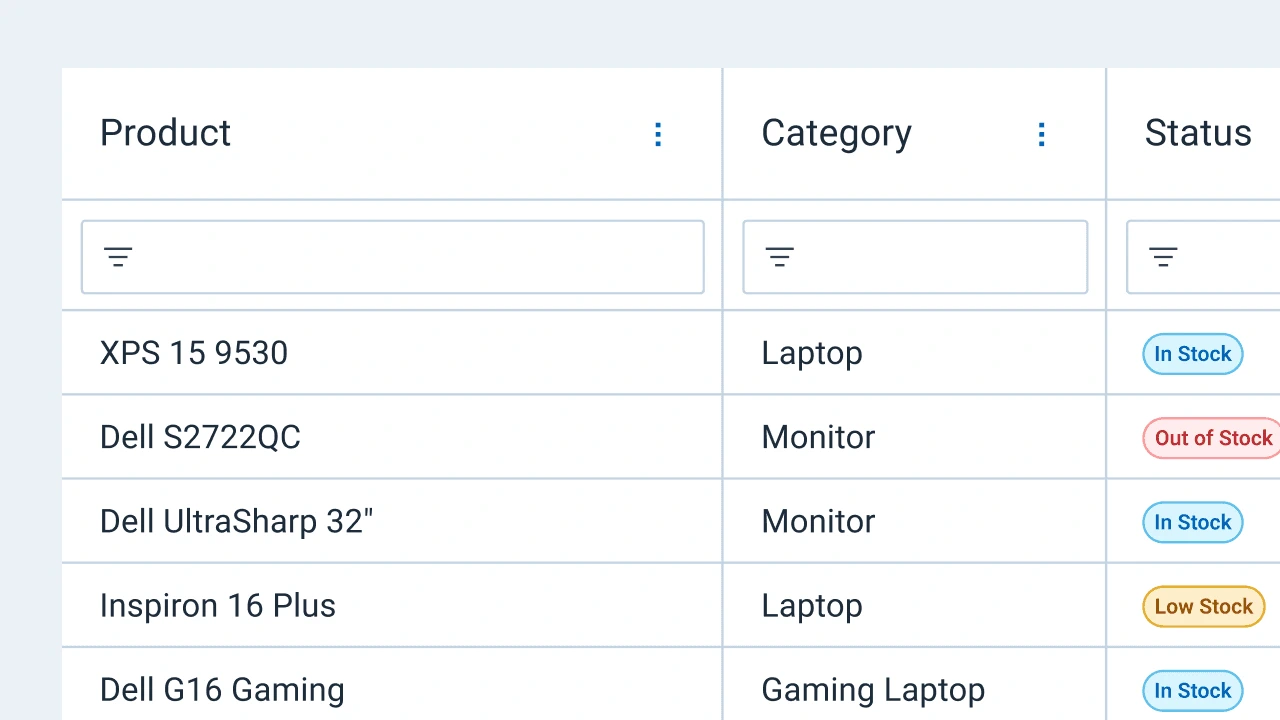
This milestone delivered 46 fully reusable components across all three framework libraries, including an enterprise-grade Table component packed with nearly twenty advanced features that allowed internal product teams to migrate away from expensive third-party AG Grid licenses.
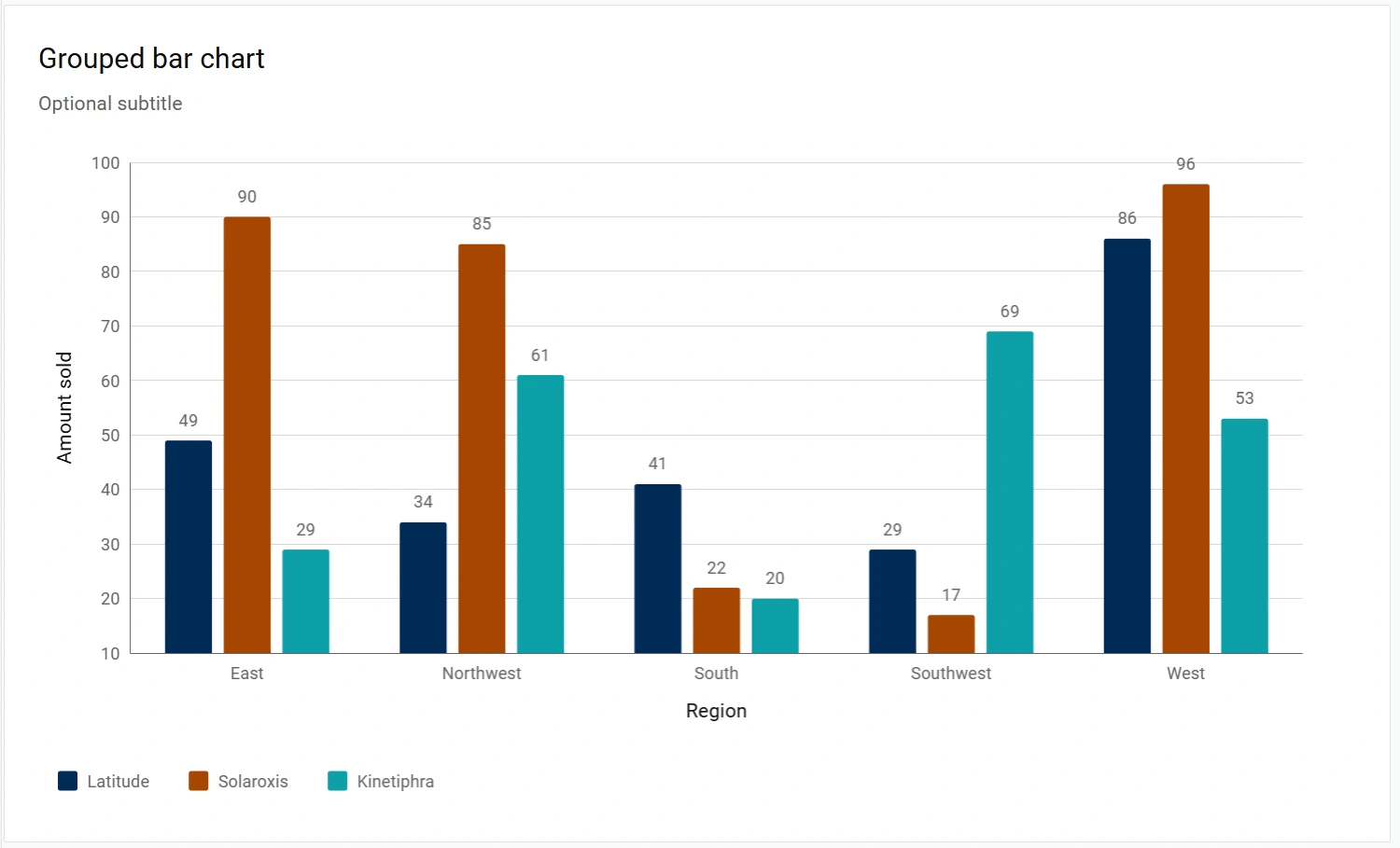
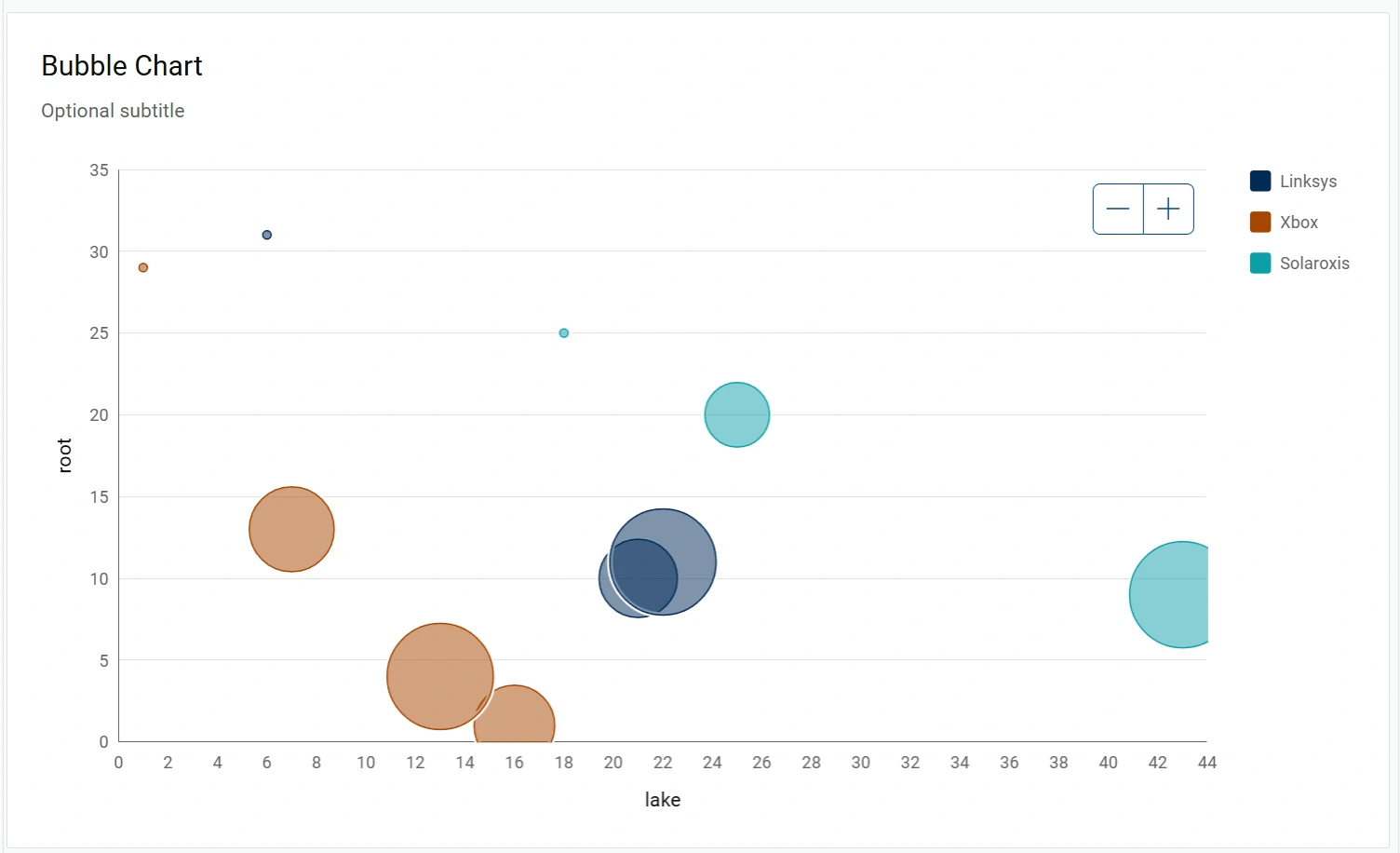
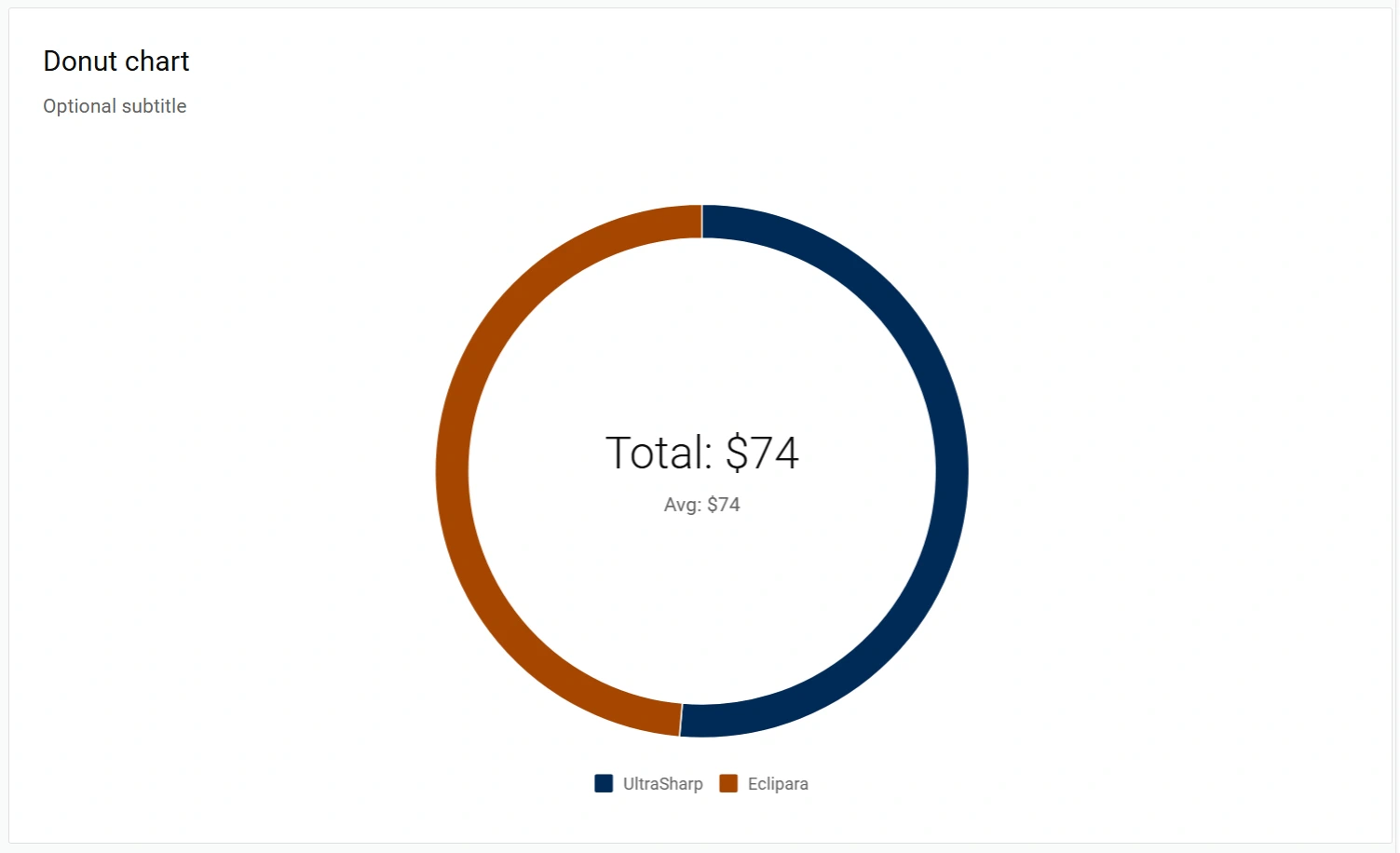
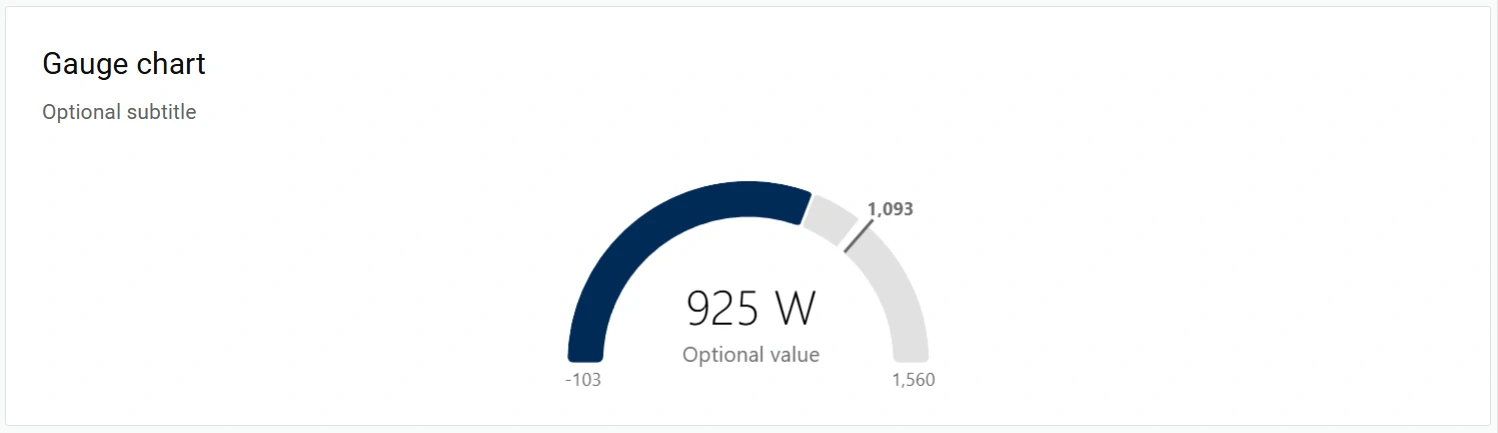
Additionally, we delivered over a dozen data visualization charts and conducted three rigorous rounds of Accessibility Center of Excellence reviews to guarantee full WCAG 2.1 AA compliance across 521 enterprise applications.
During this time, I was also recognized with "Luis does it all" and "Big thanks to Luis!!" awards for my dual contributions as a developer and Scrum Master, facilitating productive retrospectives and establishing daily standup rotation schedules that empowered team members to lead.

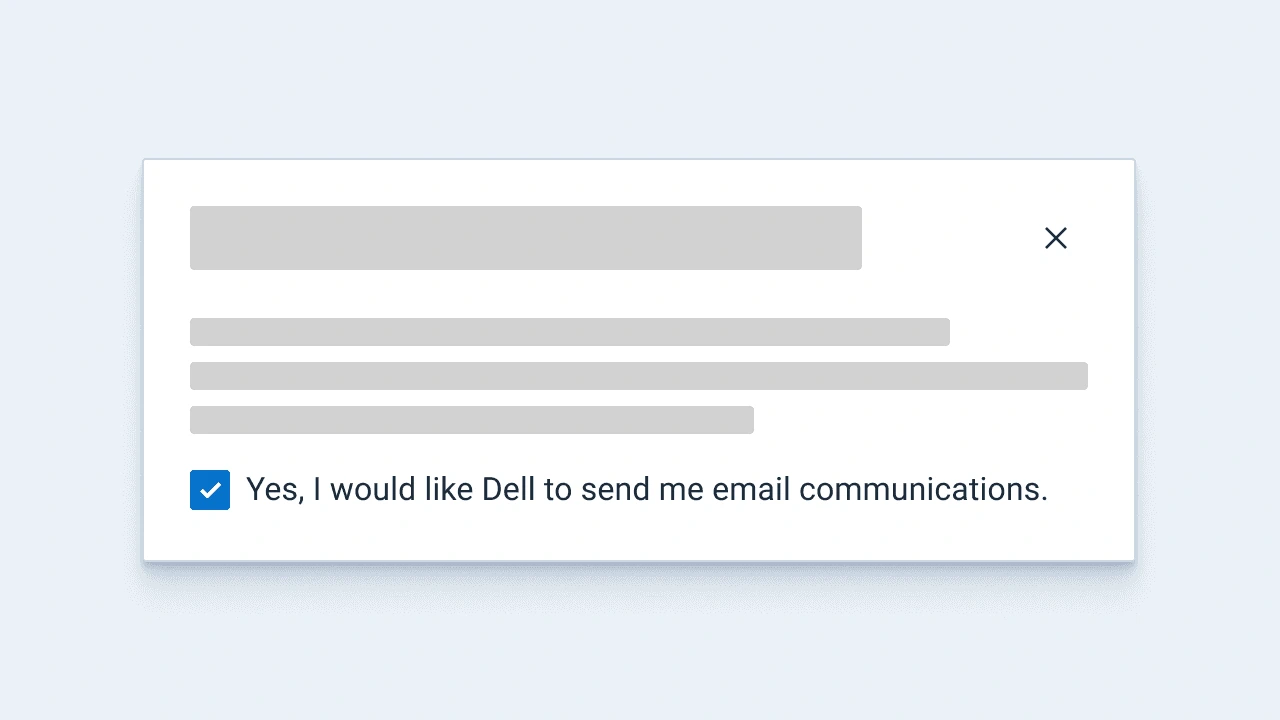
In June 2026, we officially launched Dell Design System v3.0, representing the most transformative evolution in the platform's history and realizing our long-held goal of total day-one parity across React, Vanilla, Angular, and Data Visualization.
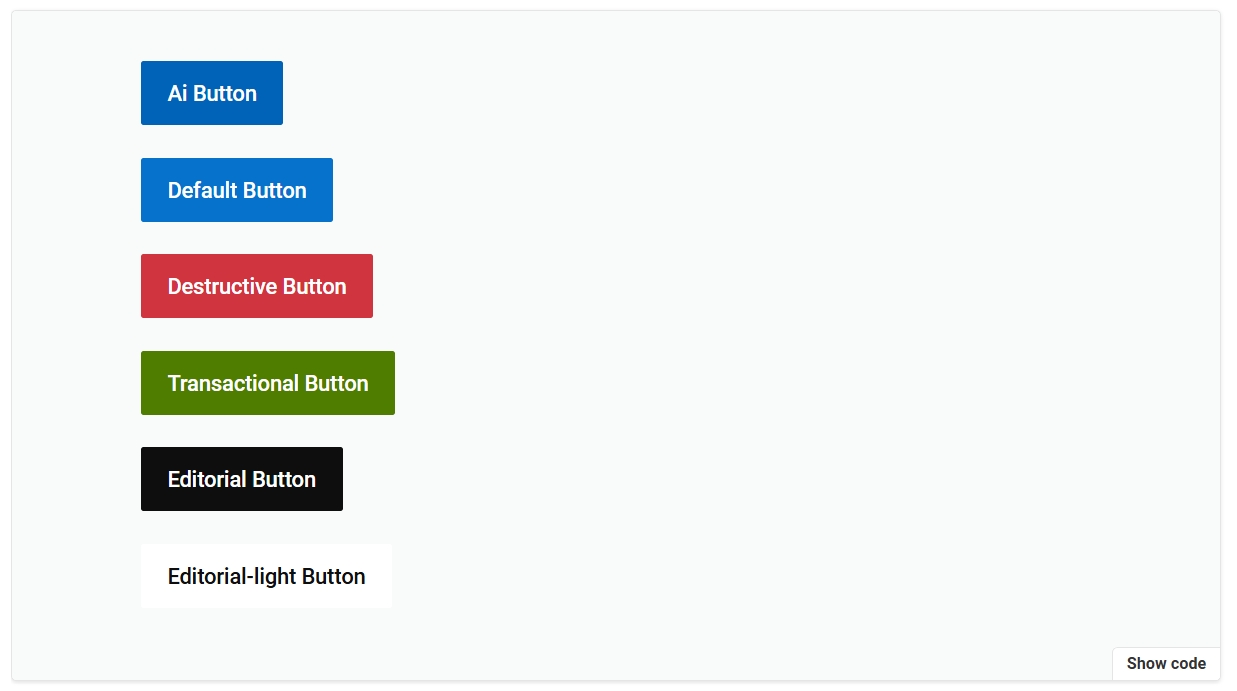
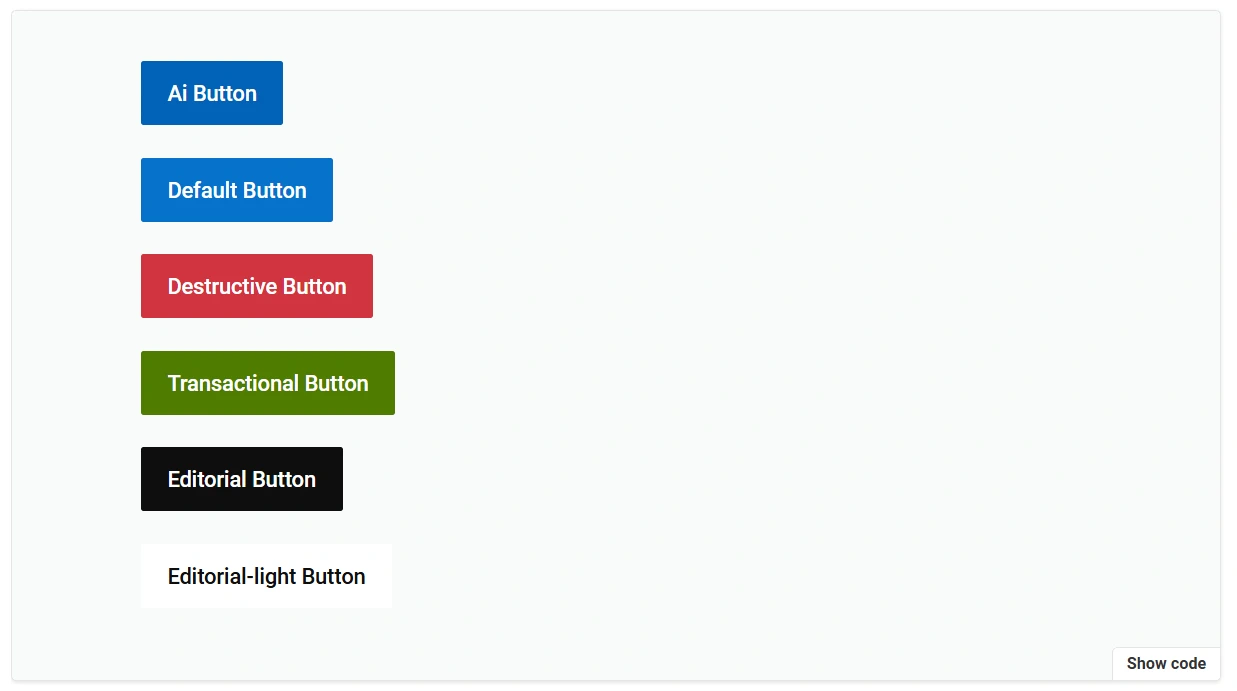
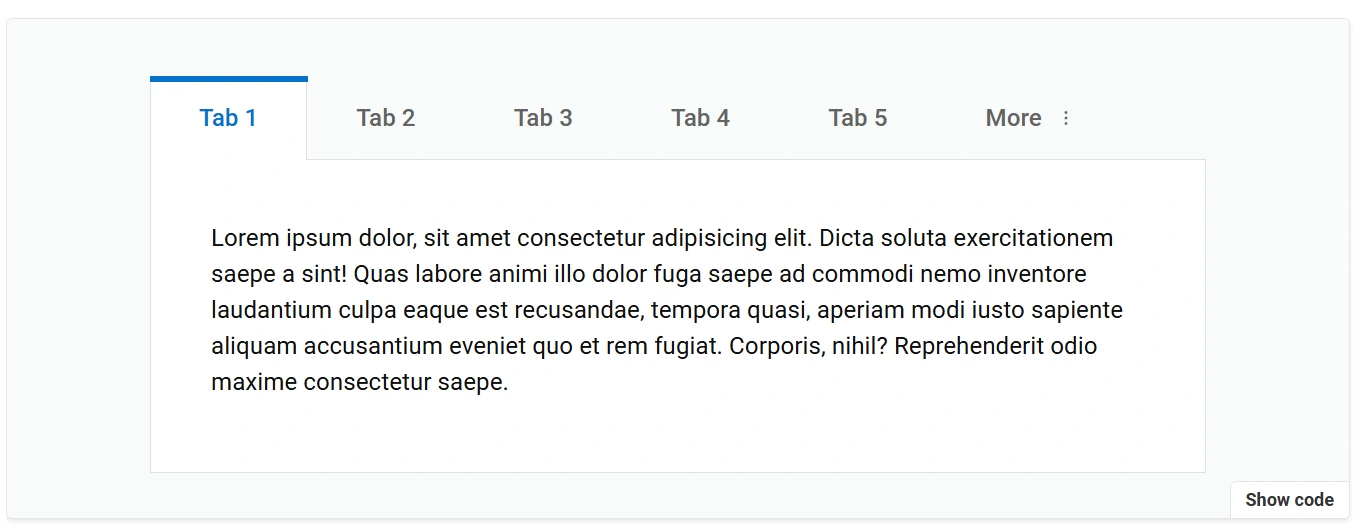
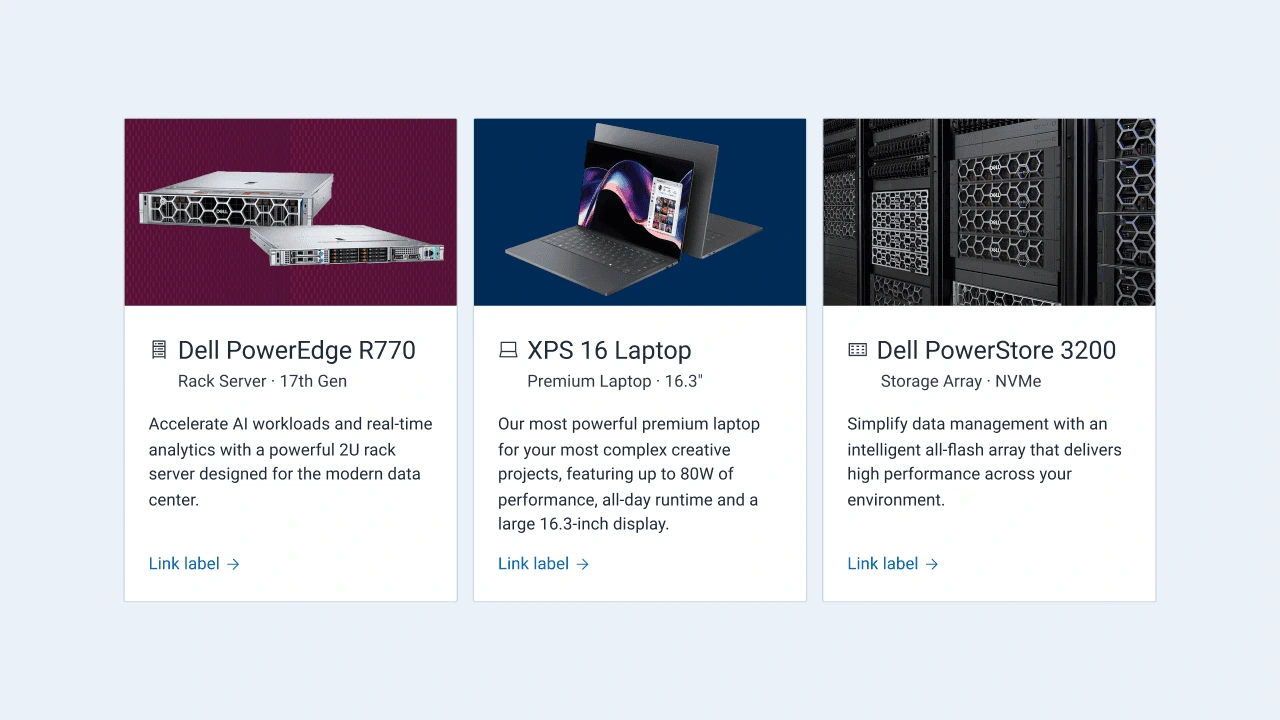
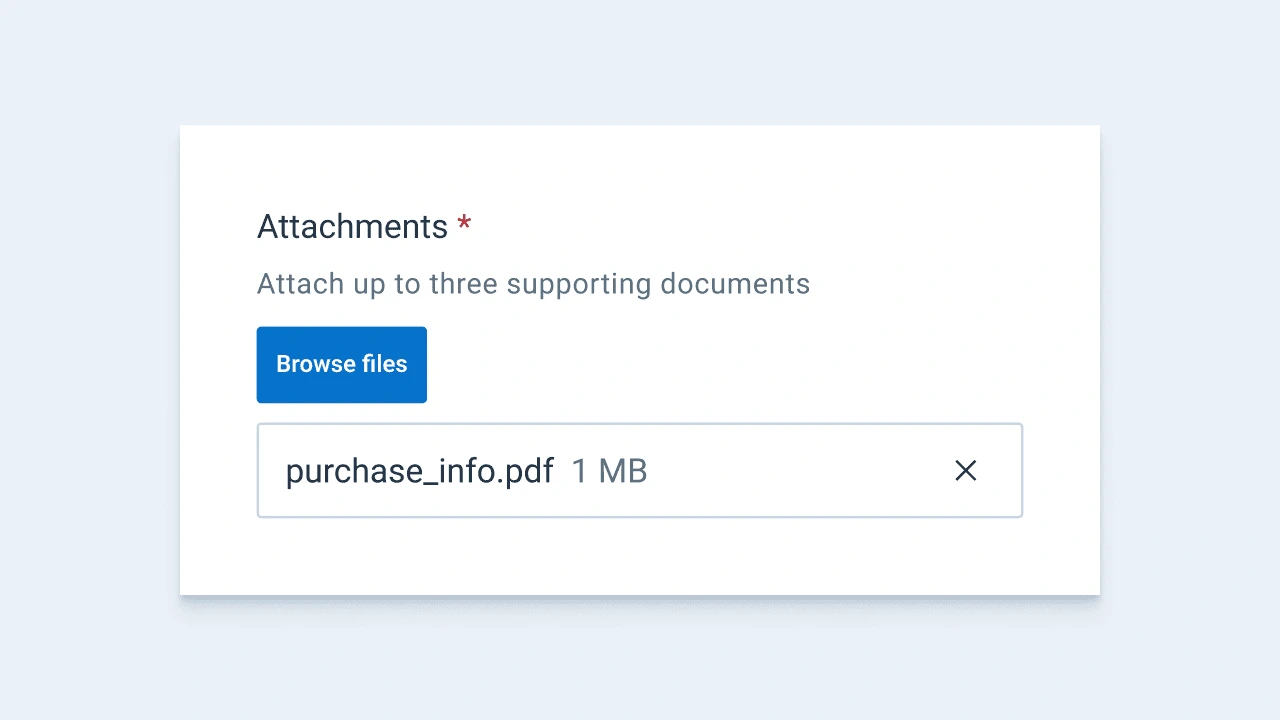
Built upon atomic design principles, modular slot architectures, and a token-first foundation, DDS v3 unified visual decisions across buttons, form controls, navigation menus, and data charts while delivering lighter bundle sizes and improved build performance.
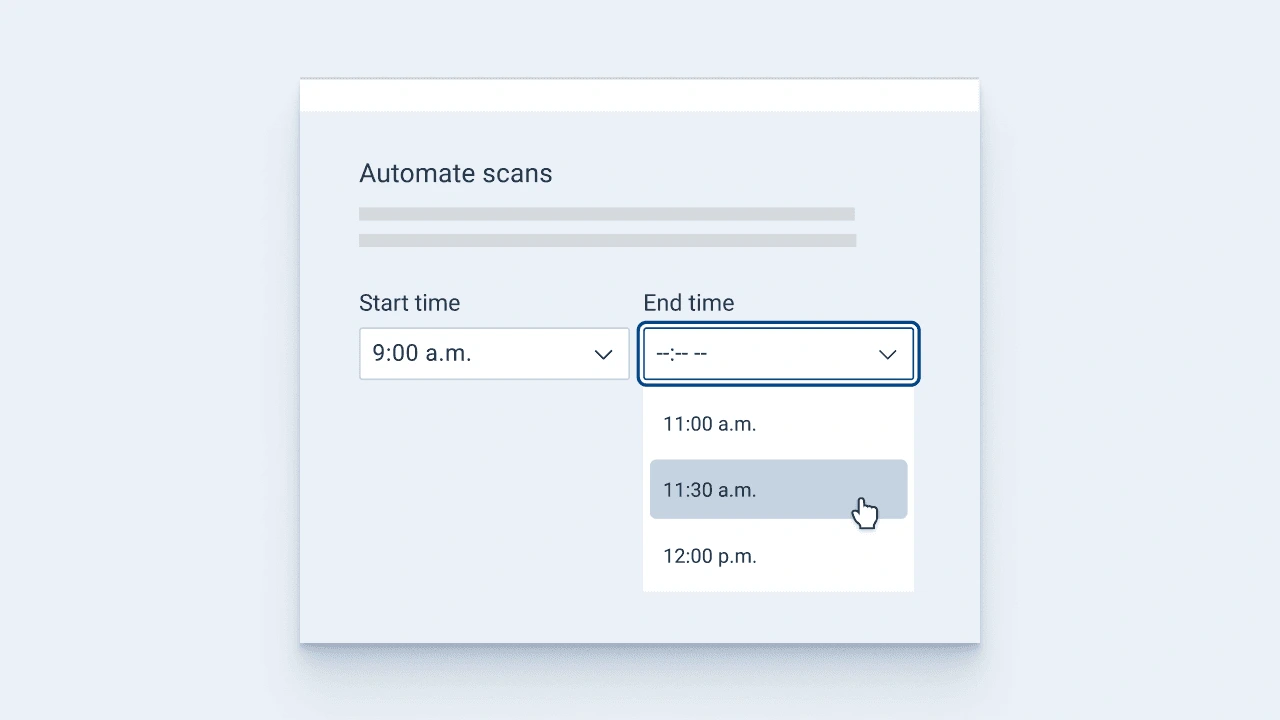
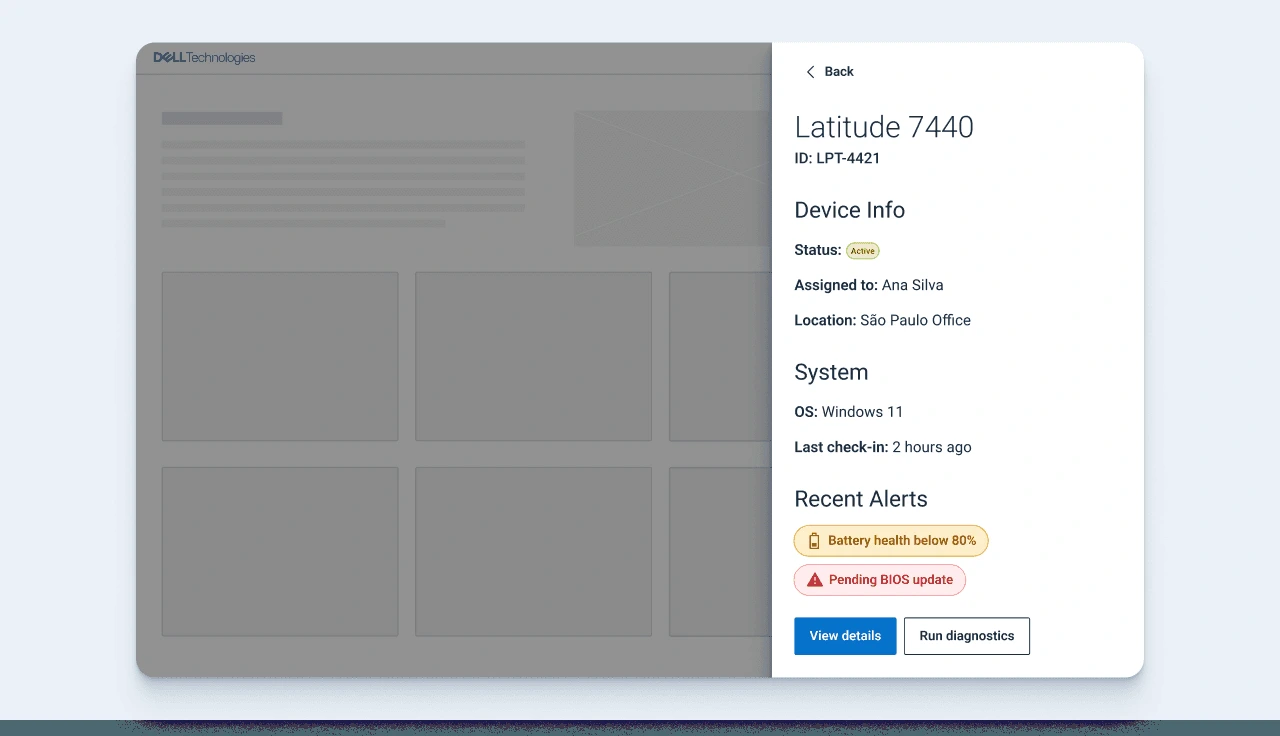
The scale of this ten-month modernization effort was celebrated with an Inspire Award in July 2026.
Across the initiative, our team authored 6,169 commits, touched 31,033 files, created 464 test files, and shipped 43 production-ready components across Vanilla, React, and Angular while reducing nearly 191,000 lines of code.
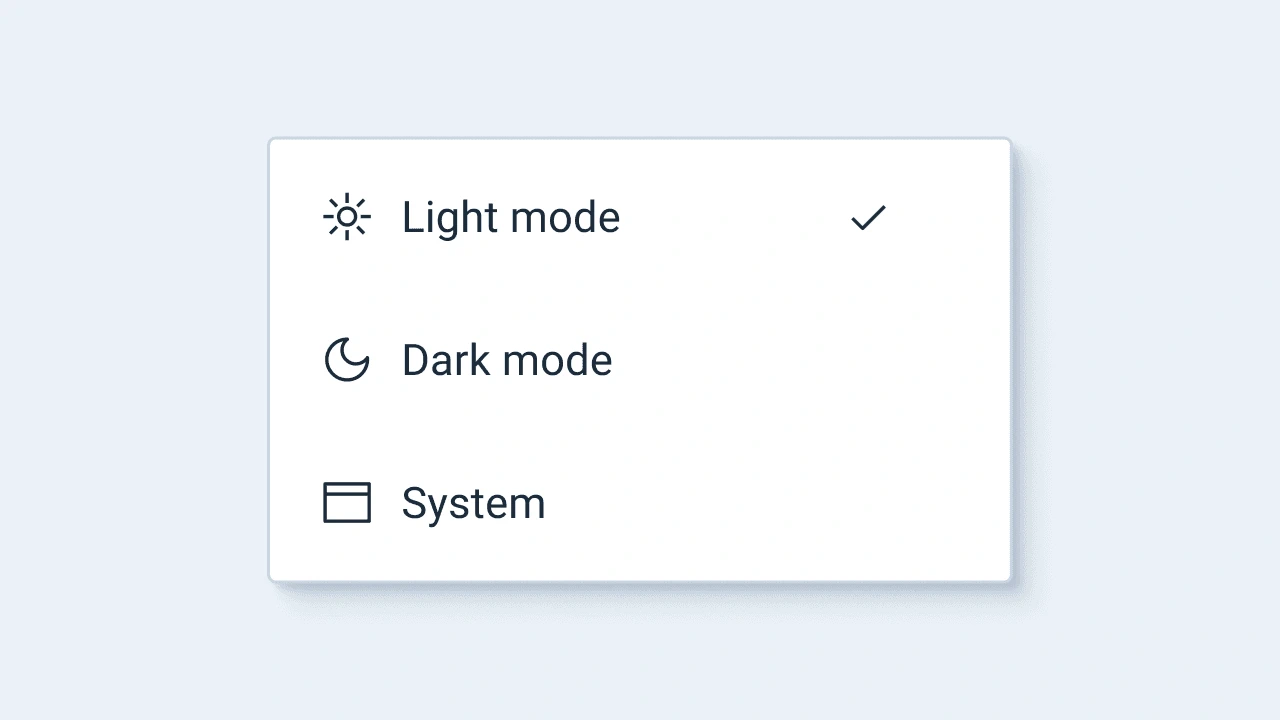
We modernized the Data Visualization library using native amCharts theming, rebuilt the DellDesignSystem.com platform on DDS v3 React with dark mode support, and created the DDS MCP Server in KOB with nine AI-enabled tools powered by Storybook data.
Concurrently, I provided active code review support for the Data Visualization library to ensure high code quality and prevent regressions.

Following the official launch of v3, my career took another exciting step forward in July 2026 as I transitioned into Principal Software Engineer focused on AI and Spec-Driven Development.
Moving away from traditional sprint structures, our engineering organization embraced an AI-oriented operational model centered around small, autonomous PODs.
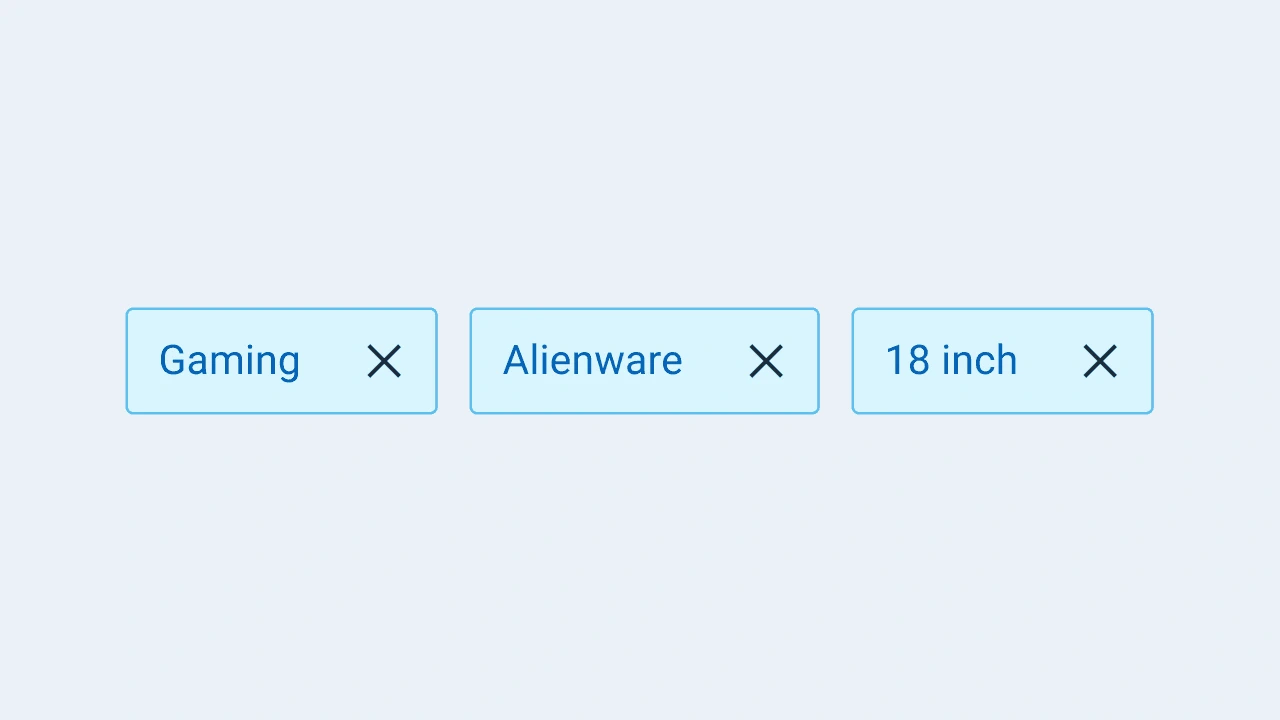
In my current role within the Support POD and the Website POD, my daily focus centers on pushing the Dell Design System forward using Agentic AI workflows and Spec-Driven development methodologies.
By synthesizing years of hands-on experience across Vanilla JavaScript, React, Angular, and Data Visualization with modern AI tools, I help architect scalable, accessible, and future-proof UI solutions.
The design system ecosystem continues to evolve rapidly, and I remain energized to help lead its ongoing transformation.
Check out the Dell Design System at: <a href='https://www.delldesignsystem.com' rel='noopener nofollow'>delldesignsystem.com</a>

Related
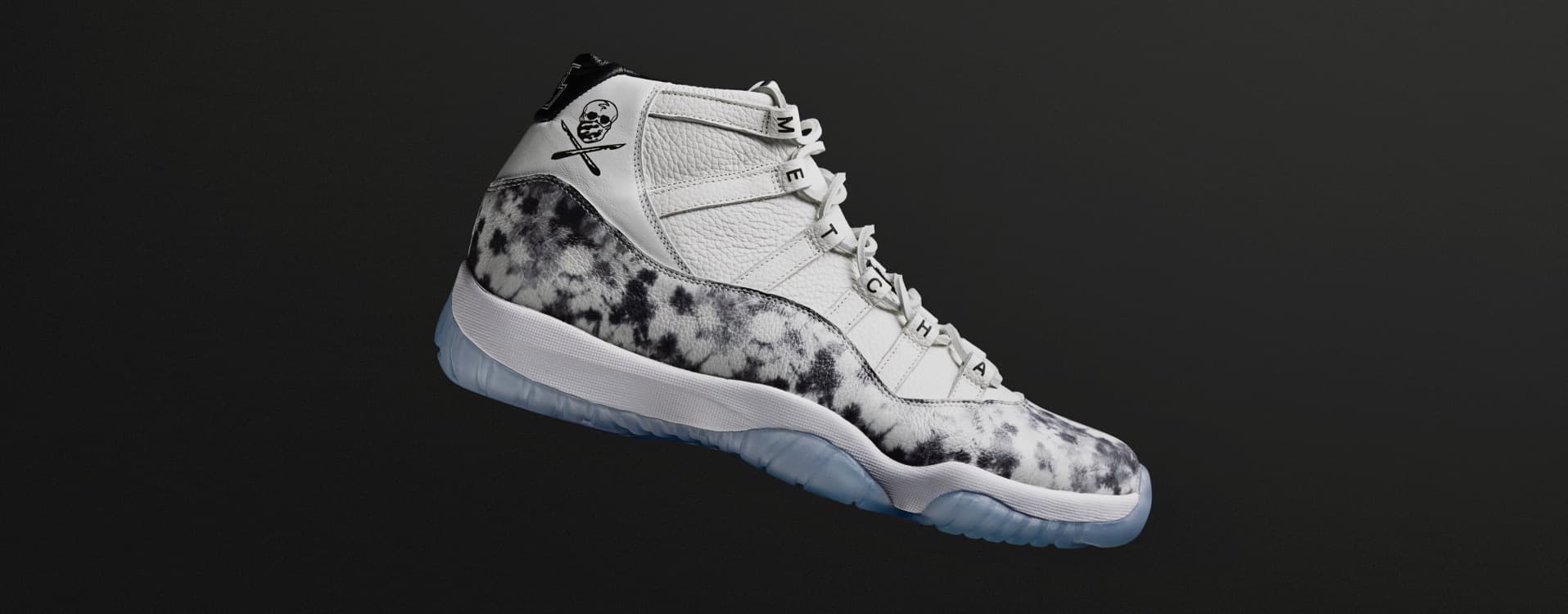
Metcha Metcha
An oracle of leather, design, and culture.
Developed at Transa Inc. in collaboration with Leather Naturally, the platform tells compelling stories from the worlds of design, art, fashion, and lifestyle, spotlighting the people who shape creative culture.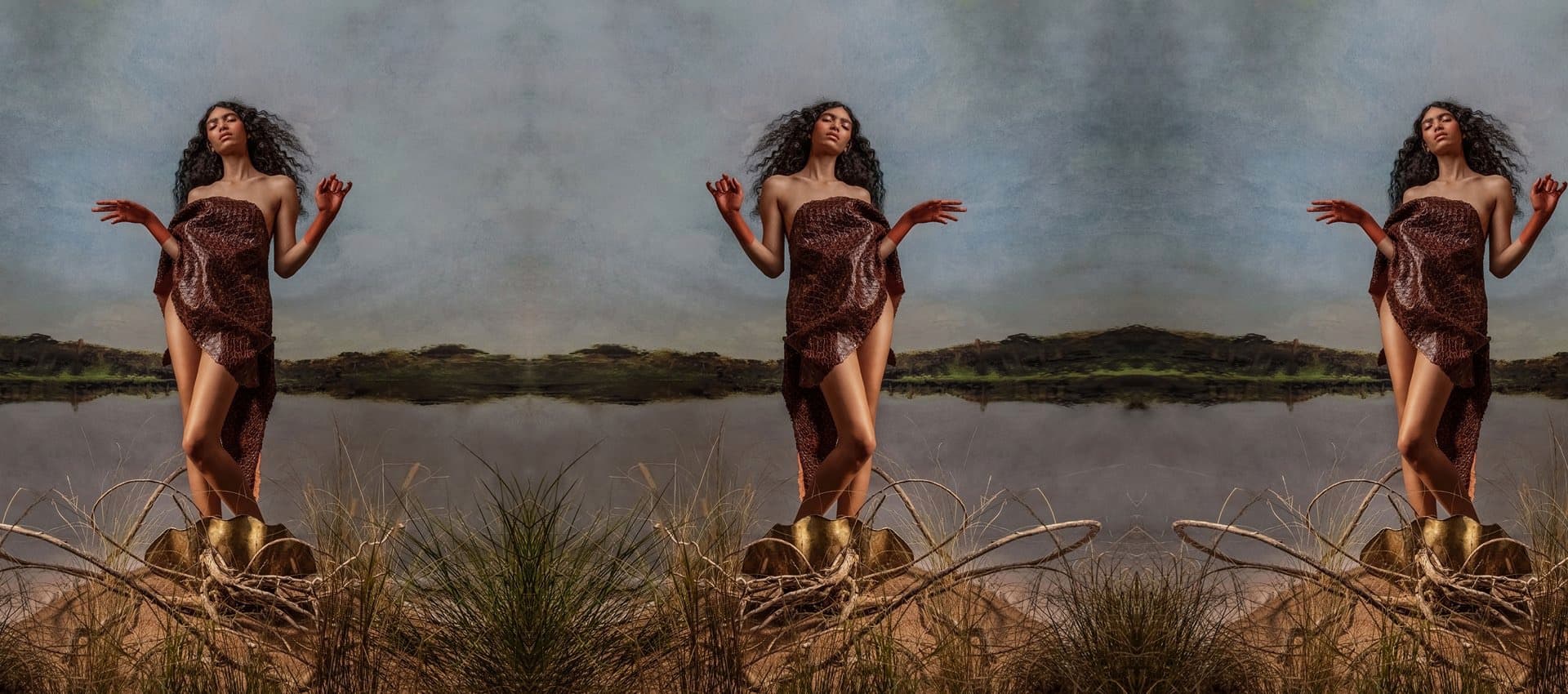
Transa Transa
A website developed at and for Transa Inc., consisting of an infinite scrolling feed, a custom CMS, and 'join us' and 'cases' pages summarizing projects developed over many years.
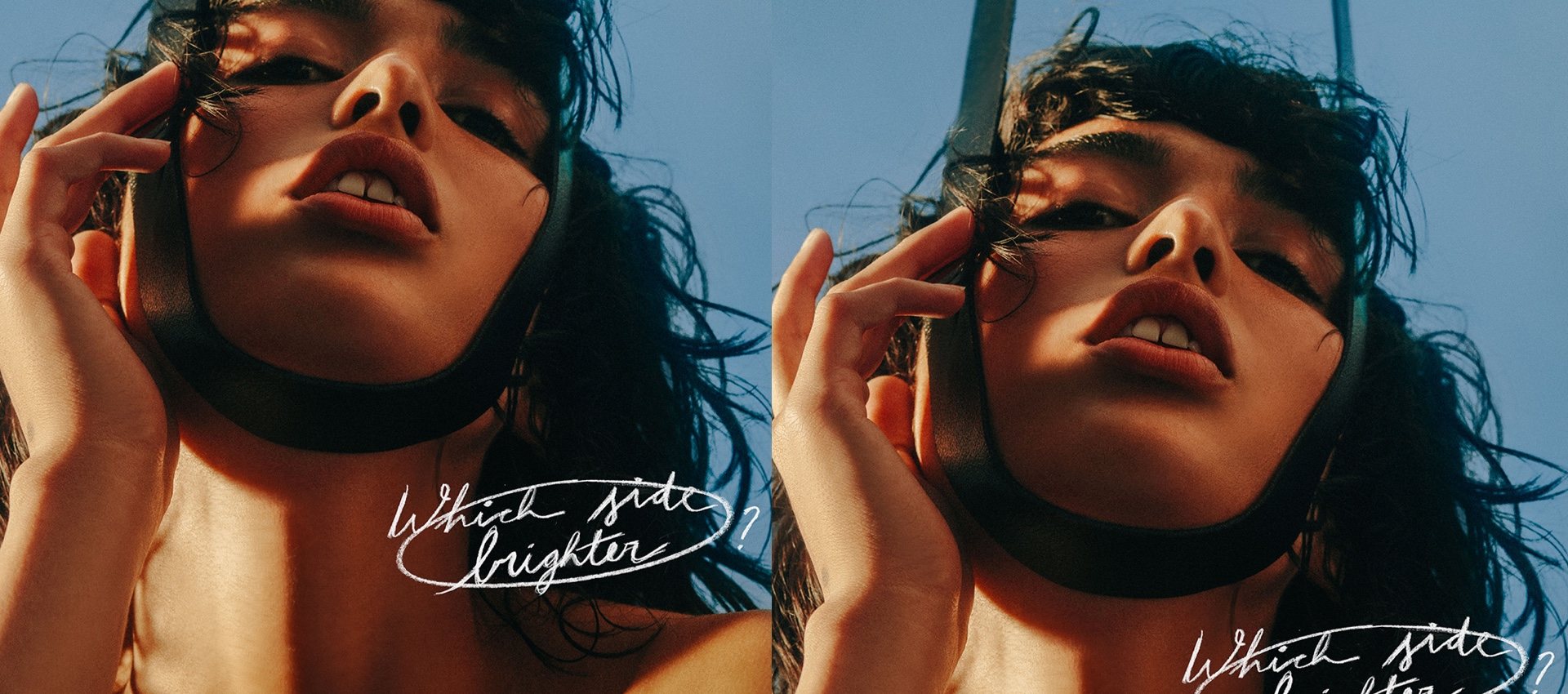
Brazilian Leather Brazilian Leather
A project developed at Transa Inc. through a partnership between CICB and Apex-Brasil.
A portal for Brazilian Leather, encompassing websites including Brazilian Leather, CICB, CSCB, and Leather Law.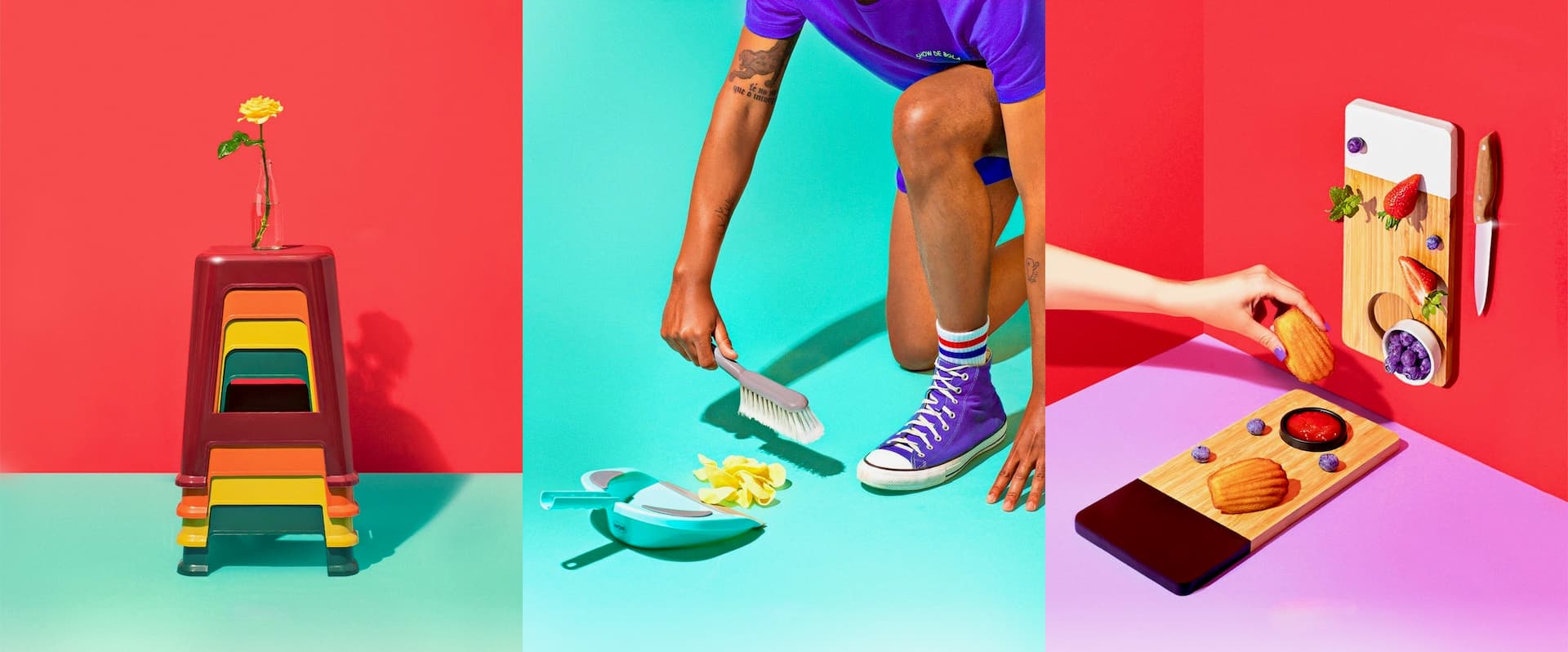
Mor Mor
A project developed at Transa Inc. with the goal of creating a fast and beautiful experience connecting MOR's channels and community in one place.
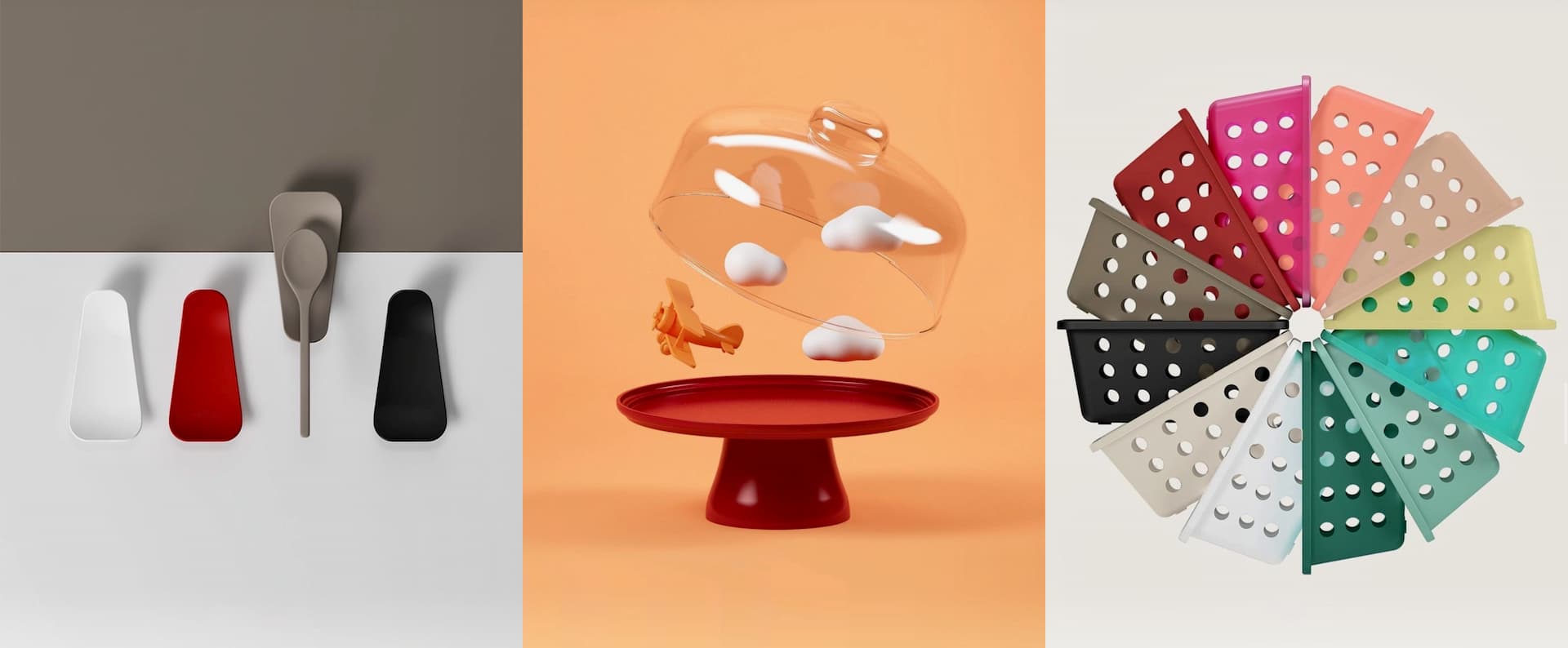
Coza Coza
A project developed at Transa Inc. from 2017 to 2019.
Coza's homepage was a content feed for the brand, featuring articles, galleries, photos, and links to the online store.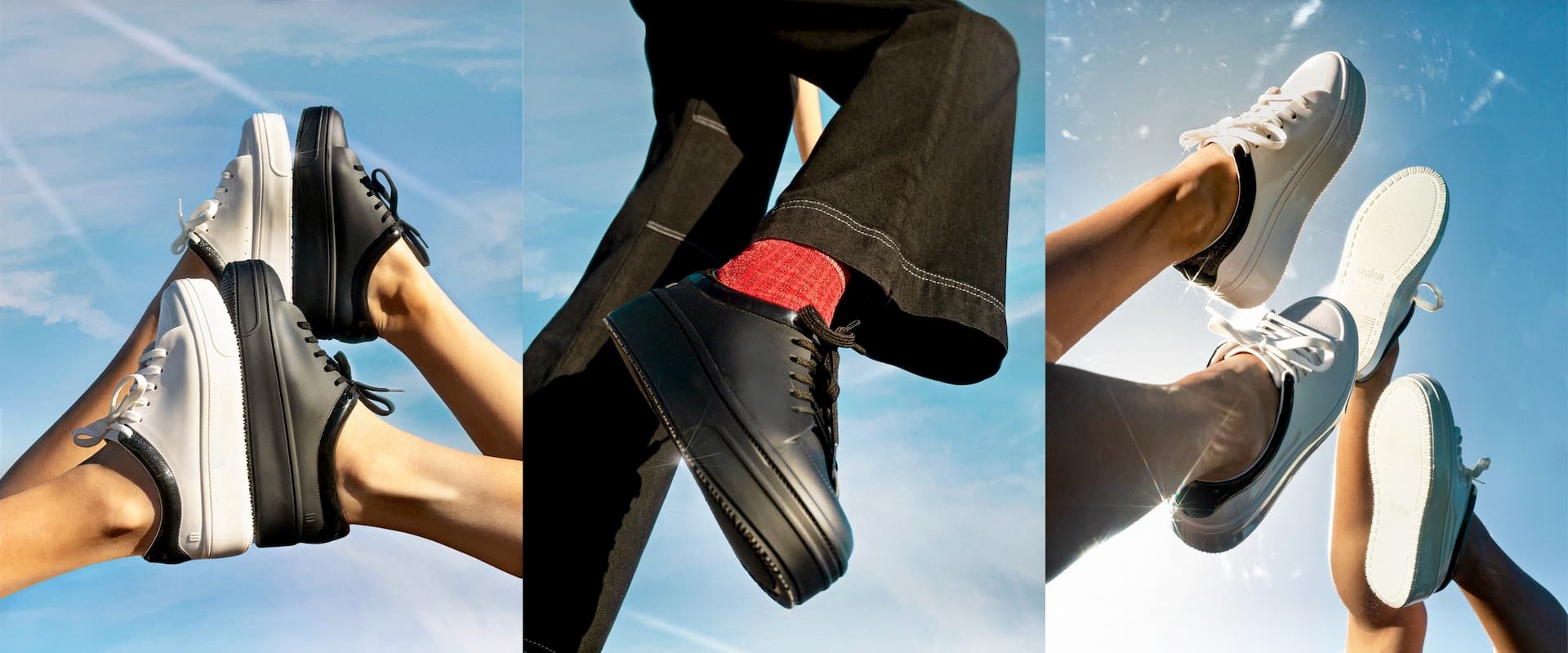
Melissa Melissa
A brand portal connecting everything related to Melissa.
It featured social media feeds and original content created at Transa Inc.
Minimelissa Minimelissa
A project developed at Transa Inc. for the Grendene Group as a dedicated channel for the Mini Melissa brand.
The site featured a content feed and a social feed with infinite scroll, offering exclusive Mini Melissa content. Active from 2018 to 2020.
Marco Almeida Marco Almeida
Marco's Portfolio, developed as a freelance project in 2021.
The primary goal was to deliver a pixel-perfect UI with smooth animations and a performance-focused approach.
Nathalia Bond Nathalia Bond
A website developed as a freelance project in 2021.
Nathalia Bond's website was a redesign of the previous one, keeping the already established visual identity, focusing on refining it, and using Squarespace as an easy-to-maintain content management system for the end user.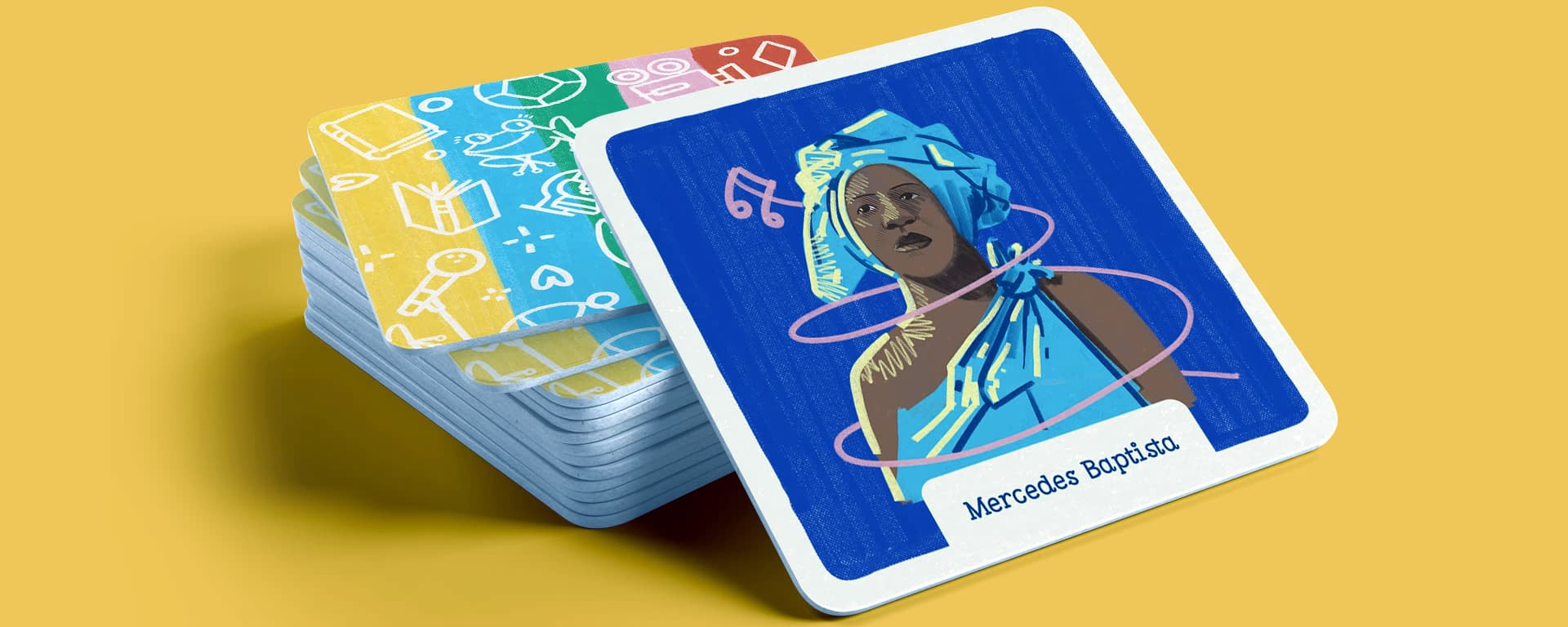
Cecerelê Cecerelê
An e-commerce website developed as a freelance project in 2021.
Cecerelê's store was designed by me on the Illuria e-commerce platform.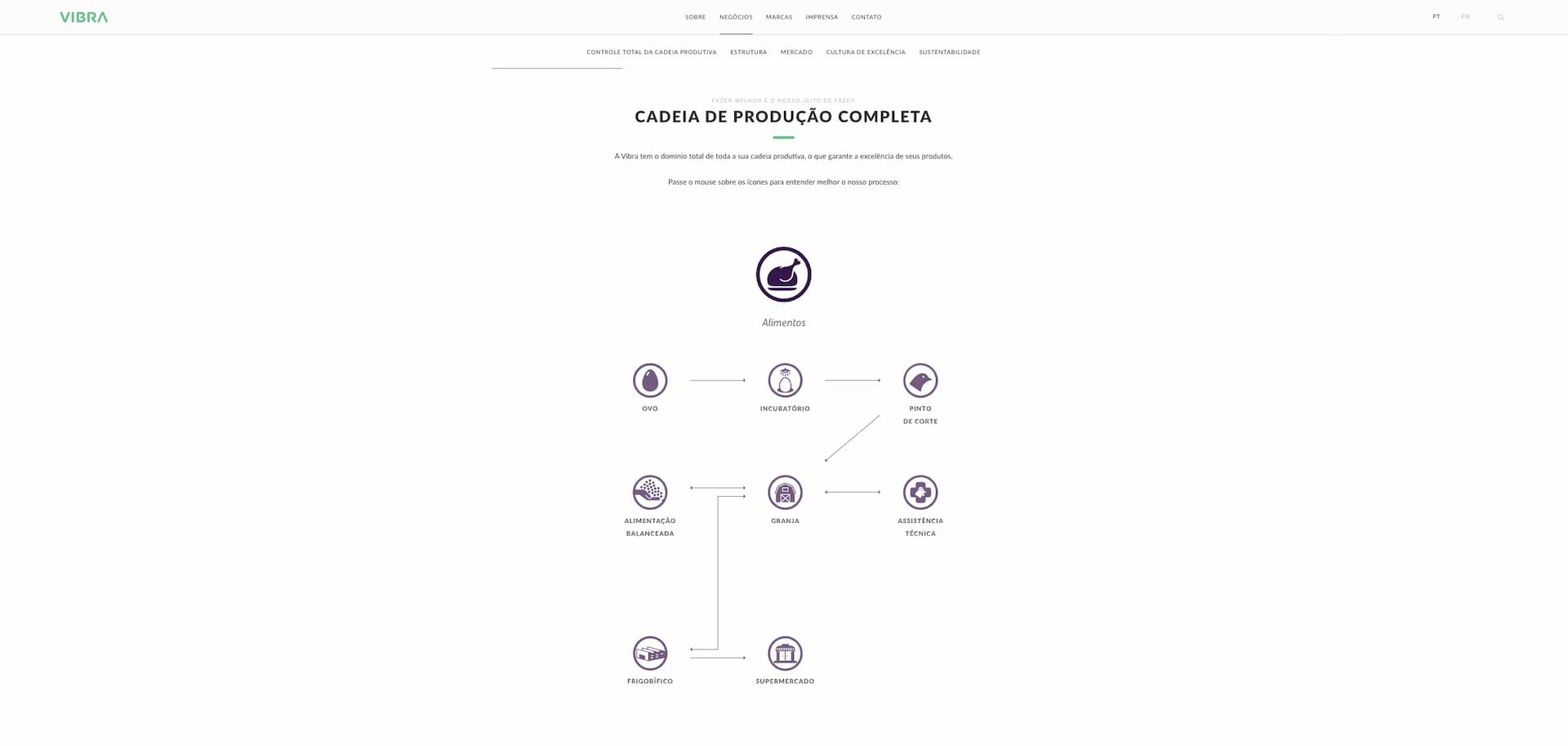
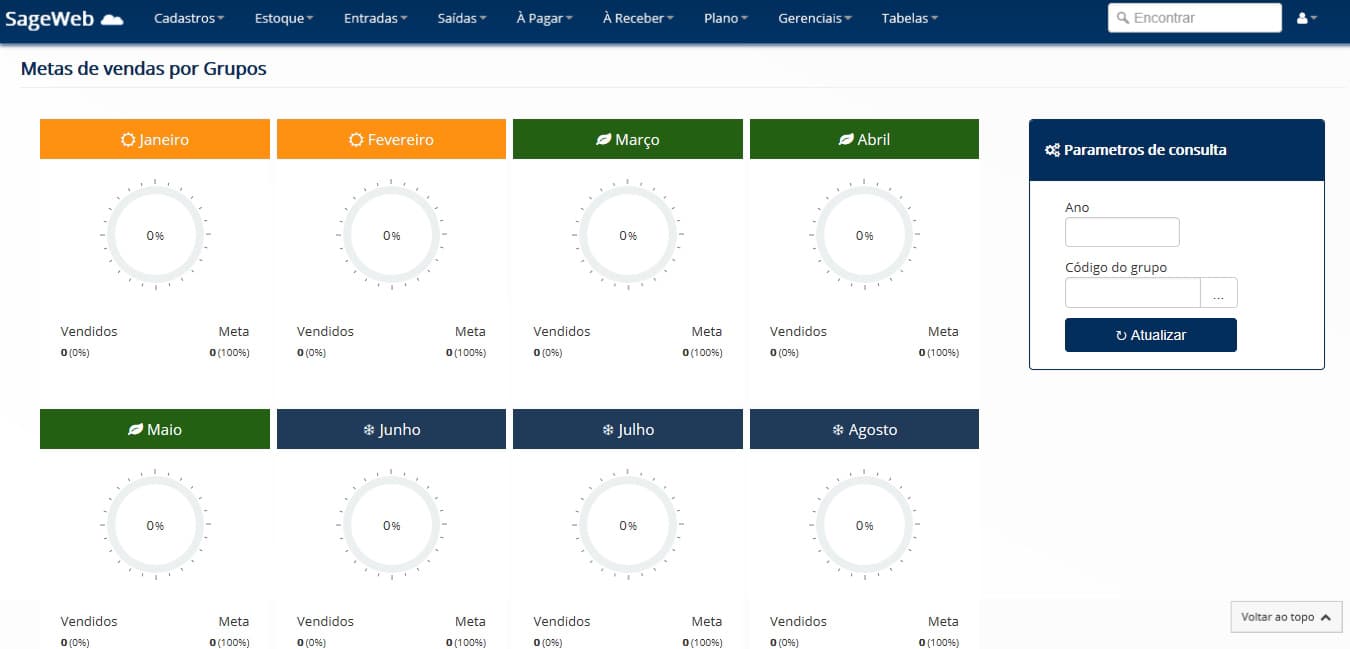
Vibra Vibra
A website developed at Transa Inc in 2016 as a portal created for the Vibra Brand.
Genesysinf Genesysinf
A project developed by Genesysinf in Santana do Livramento, Brazil: fiscal software.
The project consisted of porting the Sage desktop software code to a new web version.